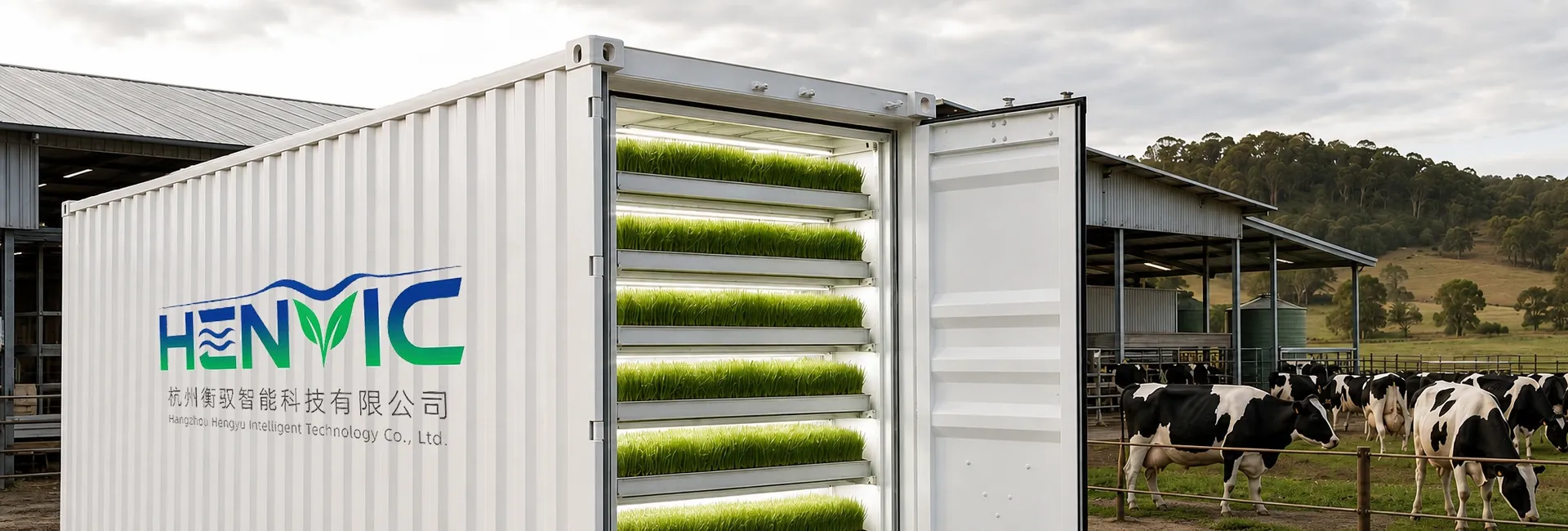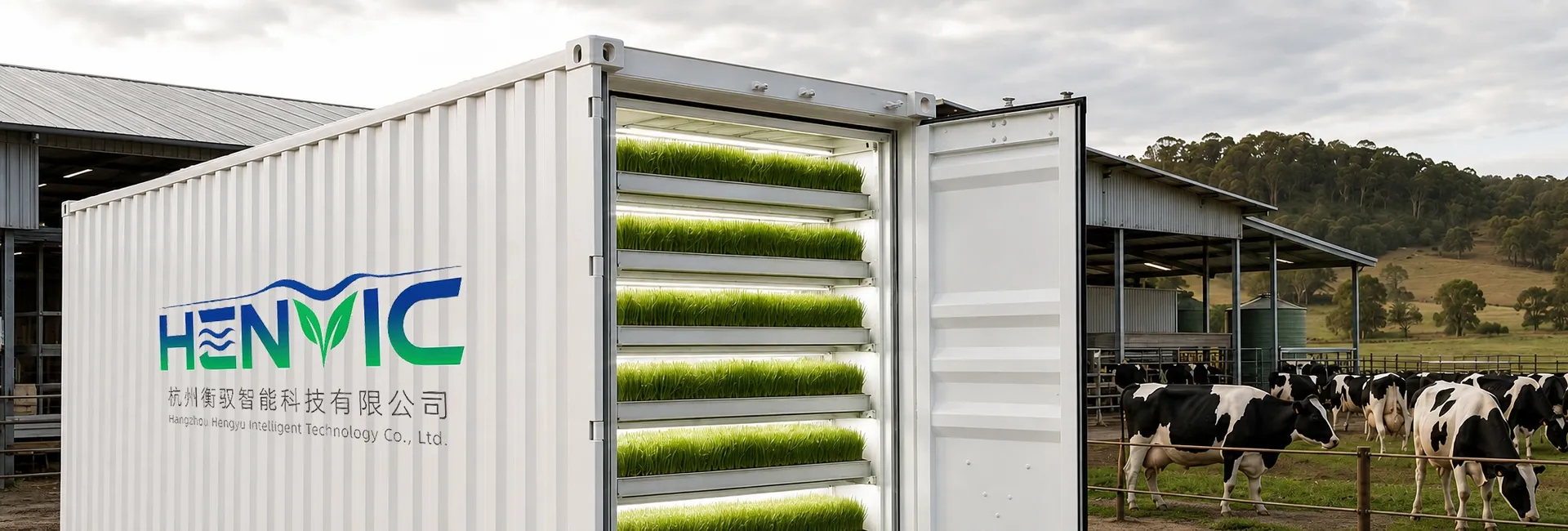
Strip away the farmland, the soil, and the weather, and modern container farming looks almost like an industrial process. That is exactly the point. Here are the three core ideas that make a shipping container — roughly 30 square meters of floor space — capable of producing a steady, year-round harvest.
1. No Soil, No Problem: Growing in Water and Air
Container farms replace dirt with a nutrient solution and an inert growing medium such as rockwool, coco coir, or perlite. In hydroponic systems, plant roots sit directly in recirculating water laced with dissolved nitrogen, phosphorus, potassium and trace minerals. In aeroponic setups, the roots hang in the dark and are misted with that same solution every few minutes.
The advantage is control. Because the grower measures exactly what goes in, nutrient balance can be tuned to each crop and each growth stage rather than left to the variability of field soil. Without soil, there is also no soil-borne disease, no need for crop rotation, and no risk of depleting a field. Roots receive oxygen-rich water on a tight schedule, which typically translates into faster growth cycles than open-field cultivation.
2. Pesticide-Free by Design, Not by Declaration
A sealed container is a physical barrier. Insects, fungal spores, and weed seeds are largely kept outside, which removes the primary reason conventional farms spray. Inside, environmental conditions do the rest of the work: temperature, humidity, airflow, and light are all maintained within set ranges, making outbreaks of mold or pests far less likely to spread.
When something does appear, growers usually handle it biologically — beneficial insects, sterile surfaces, and quarantine protocols for anything entering the box — rather than with chemical application. The practical result is produce that can be harvested and eaten without a residue concern, and an environment where workers are not exposed to pesticide handling.
3. Water That Circulates Instead of Draining Away
This is where container farming makes its strongest case. A recirculating system captures water that runs off the root zone and routes it back to the reservoir, where it is topped up and reused. In closed-loop operation, only what the plants transpire and what evaporates is genuinely lost.
Compared with flood irrigation in a field — where the majority of applied water drains or evaporates before reaching a crop — closed-loop hydroponics can reduce water consumption by a very large margin, often quoted in the range of 90 to 95 percent less per unit of produce. The numbers vary by system design, crop, and climate, but the direction is consistent and the mechanism is straightforward: nothing leaves the loop unless the plants use it.
What the Three Together Actually Mean
Soilless cultivation removes dependence on land and soil quality. Pesticide-free operation removes dependence on chemical protection. Water recirculation removes dependence on abundant freshwater. Put together, they make food production possible in places that have none of the three — rooftops, deserts, urban basements, and remote communities.
That is the real appeal of the container: it does not ask for better farmland. It asks for electricity, a steady water supply, and someone who knows how to run it. The trade-off is energy consumption for lighting and climate control, which remains the central economic question for the model. But on the three fronts of soil, chemicals, and water, the container farm delivers a clear, demonstrable advantage over the field.