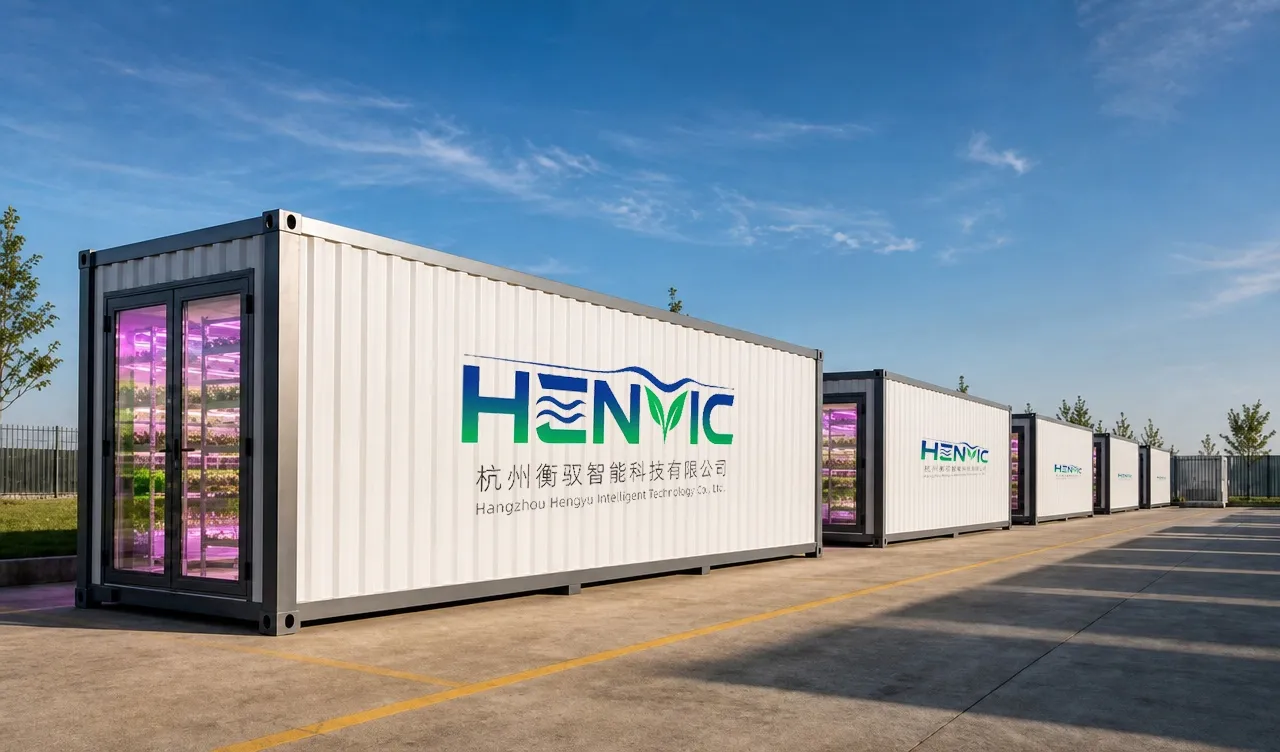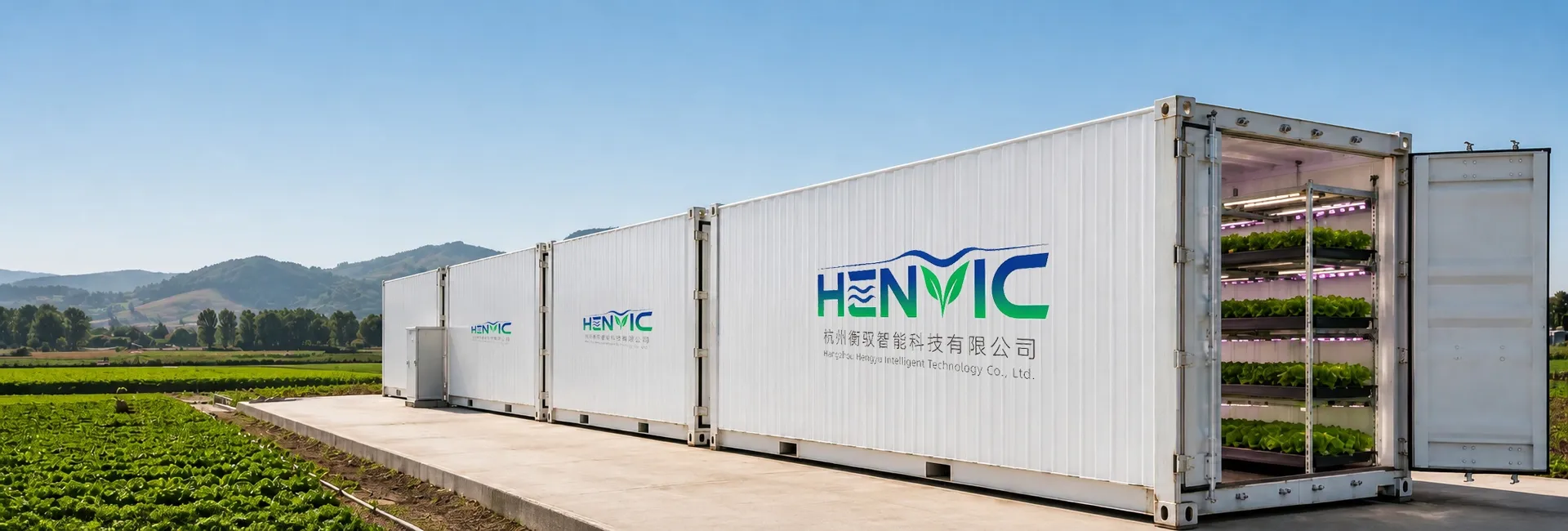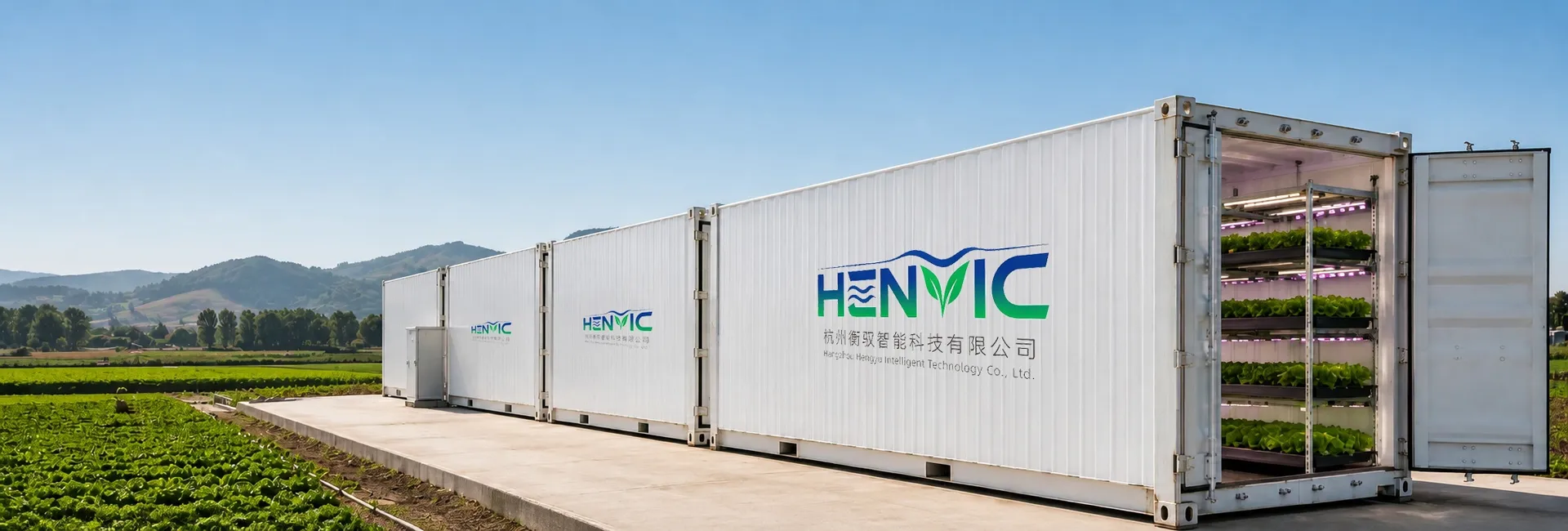
40 ft Vegetable Container Farm Hydroponic Oat and Wheat Fodder Programme
PRODUCT OVERVIEW
Leafy green prices swing mainly because harvest dates are uncontrollable. In the container, Hydroponic Oat and Wheat Fodder moves from transplant to harvest in 8 - 10 days, and with tiered lighting and CO2 control the harvest date can be fixed weeks ahead and orders fulfilled weekly.
Tier heights and aisle width are set for standing work, so harvesting, replanting and cleaning avoid stooping and reduce fatigue over long shifts.
Rotating with wheat balances supply and suits farms building their own fresh-fodder line.
Supermarkets and fresh retail site the unit behind the store or at the distribution centre, scheduling Hydroponic Oat and Wheat Fodder to store sales and cutting transport losses.
CROP AND OUTPUT DATA
Variety | Hydroponic Oat and Wheat Fodder (Fodder) |
Growing cycle (transplant to harvest) | 8 - 10 days |
Unit weight | marketable weight |
Plants per cycle | approx. 3,300 - 5,800 |
Yield per cycle | 2,400 - 3,200 kg |
Cycles per year | 36 - 45 |
Annual output (estimate) | 86,400 - 144,000 kg |
Propagation | Direct seeding |
Crop difficulty | Easy |
Figures follow the 40 ft standard container baseline with about five growing tiers. Yield per cycle and annual output are estimates; actual results vary with tier count, light recipe, CO2 level and crop management.
KEY ADVANTAGES
· Rated Easy in difficulty and run from process cards, the crop is workable by general staff.
· No soil in the room means clean leaves and less post-harvest washing.
· CO2 held at 800 - 1,200 ppm keeps photosynthetic efficiency stable.
· 36 - 45 cycles a year keep the same unit producing continuously without a seasonal break.
· 3,300 - 5,800 plants per cycle and 2,400 - 3,200 kg per cycle make output plannable against contracts.
· The unit can be shared with other leafy varieties on a weekly rotation for a more flexible product mix.
· The insulated envelope with fresh air and dehumidification holds recipe conditions all year.
· About five tiers lift output per square metre to roughly five times open-field levels.
CONTAINER CONFIGURATION
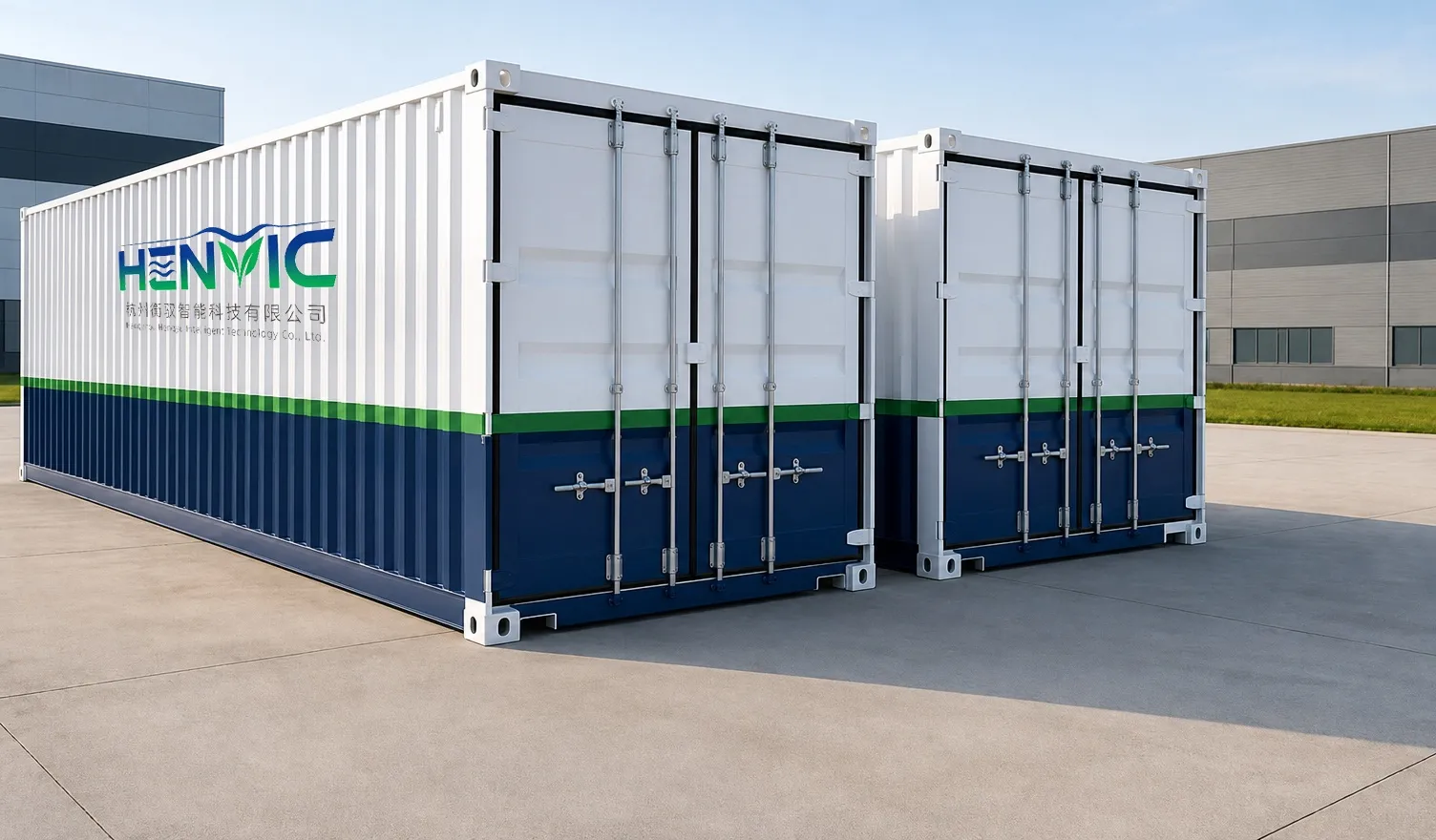
Footprint | 12.19 x 2.44 x 2.90 m (40 ft ISO container) |
Growing system | Approx. 5 tiers, hydroponic or aeroponic |
Scale per cycle | 3,300 - 5,800 plants |
Temperature | 18 - 24 °C, set per variety |
Relative humidity | 60 - 75% |
CO2 concentration | 800 - 1,200 ppm |
Lighting | LED recipe, dimmable per tier |
Nutrient solution | Closed loop with automatic EC and pH control |
Energy reference | 0.8 - 1.2 kWh per kg of fresh greens; electricity about 60 - 70% of operating cost |
Control and monitoring | PLC, touchscreen HMI, remote monitoring and alarms |
Delivery | Pre-commissioned at the factory, set and connected on site |
CLIMATE AND CONTROL
Nutrient solution runs from the tank through pumps and manifolds to each tier and returns via filtration, disinfection and inline monitoring. EC and pH are corrected automatically against the recipe, removing manual mixing drift.
The controller stores recipes by variety - temperature, humidity, photoperiod, irrigation frequency and nutrient targets - called up as a set. Changing crops loads a new recipe while batch history is retained.
CULTIVATION AND SCHEDULING
Planting density is held at 3,300 - 5,800 plants per cycle, with spacing and tier height matched to plant habit; harvest is graded to marketable weight per cut.
The standard schedule assumes a 40 ft unit with about five tiers: plant one batch and harvest one batch each week, giving 36 - 45 Hydroponic Oat and Wheat Fodder cycles a year. Adjust to order structure and harvest labour.
DELIVERY, TRAINING AND SERVICE
Commissioning covers nutrient mixing, EC and pH probe calibration, per-tier light measurement and climate interlock tests, confirmed item by item against the recipe.
Quarterly preventive maintenance covers filter changes, probe calibration, pump inspection, light-output measurement and alarm testing.
FREQUENTLY ASKED QUESTIONS
How many units can one operator manage?
Under a standard schedule, one operator can cover daily rounds, nutrient top-up and harvest coordination for two to three units, with extra hands at harvest peaks.
Does the unit overheat in summer?
Insulation with cooling and dehumidification holds the set point; in extreme heat, specify extra cooling capacity and monitor root-zone solution temperature.
Can the container be relocated?
Yes. The ISO footprint and consolidated service connections allow dismantling, transport and recommissioning within one to two weeks.
Can several varieties run in one unit?
Yes. Allocate varieties by tier or zone with separate recipes, keeping neighbours' temperature and nutrient needs similar so neither is compromised.
CONTACT AND DATA NOTES
Hangzhou Hengyu Intelligent Technology Co., Ltd. designs, builds and delivers complete container farms. Share your site conditions, target varieties and daily volume, and we will return a layout, a crop schedule and an energy estimate. Figures in this document use the 40 ft standard container (about five growing tiers) as the baseline and are estimates; output varies with tier count, light recipe, CO2 level and crop management, and is not a performance guarantee.