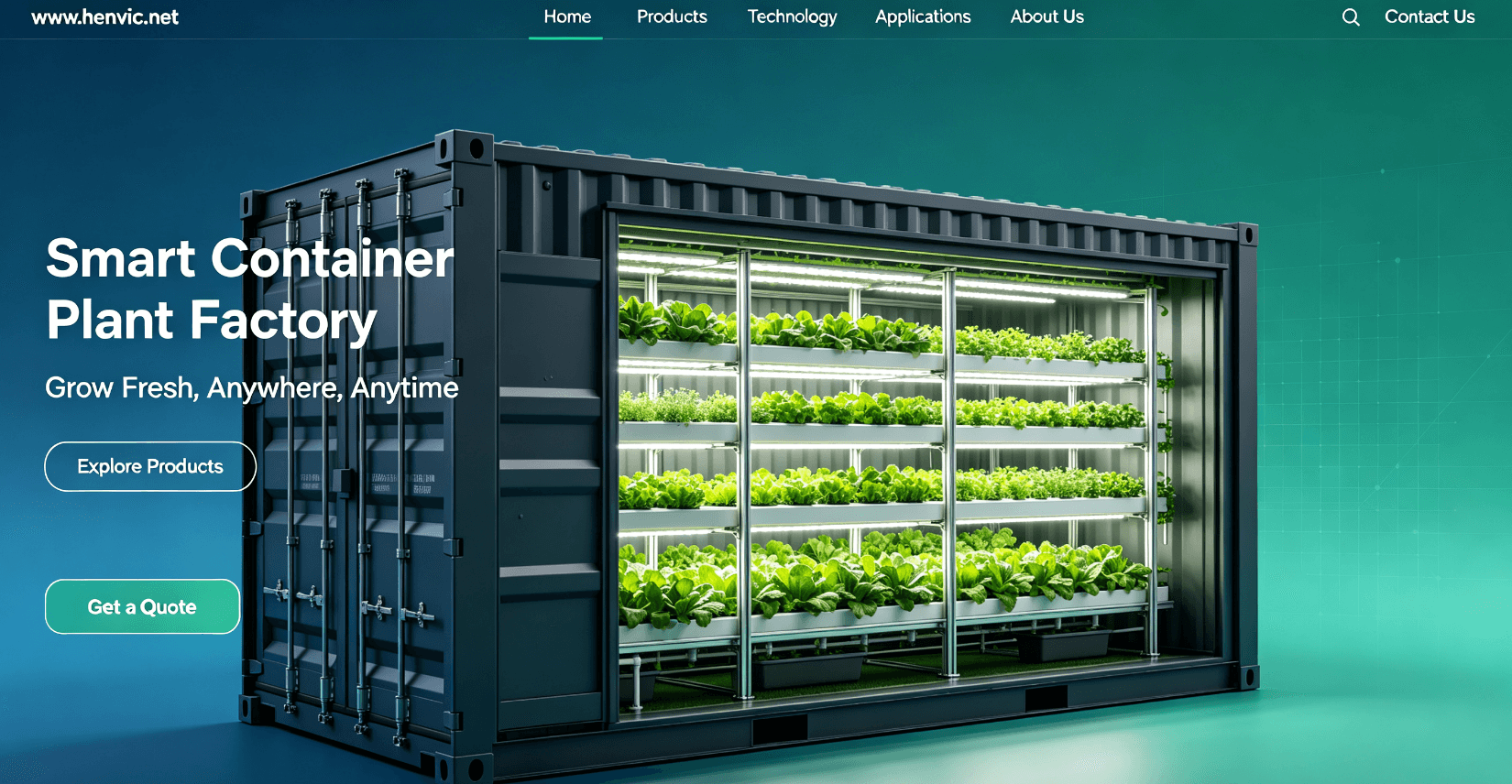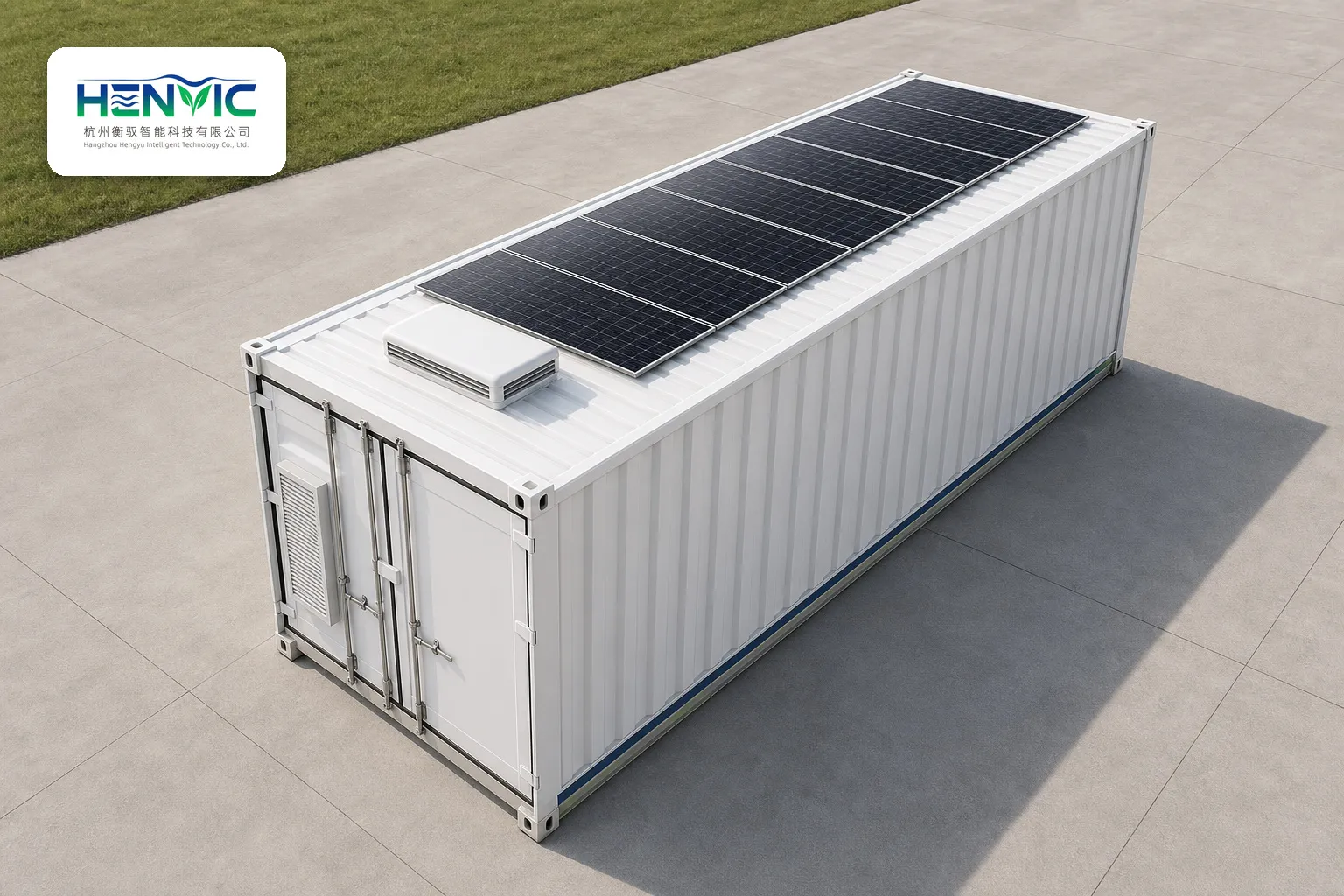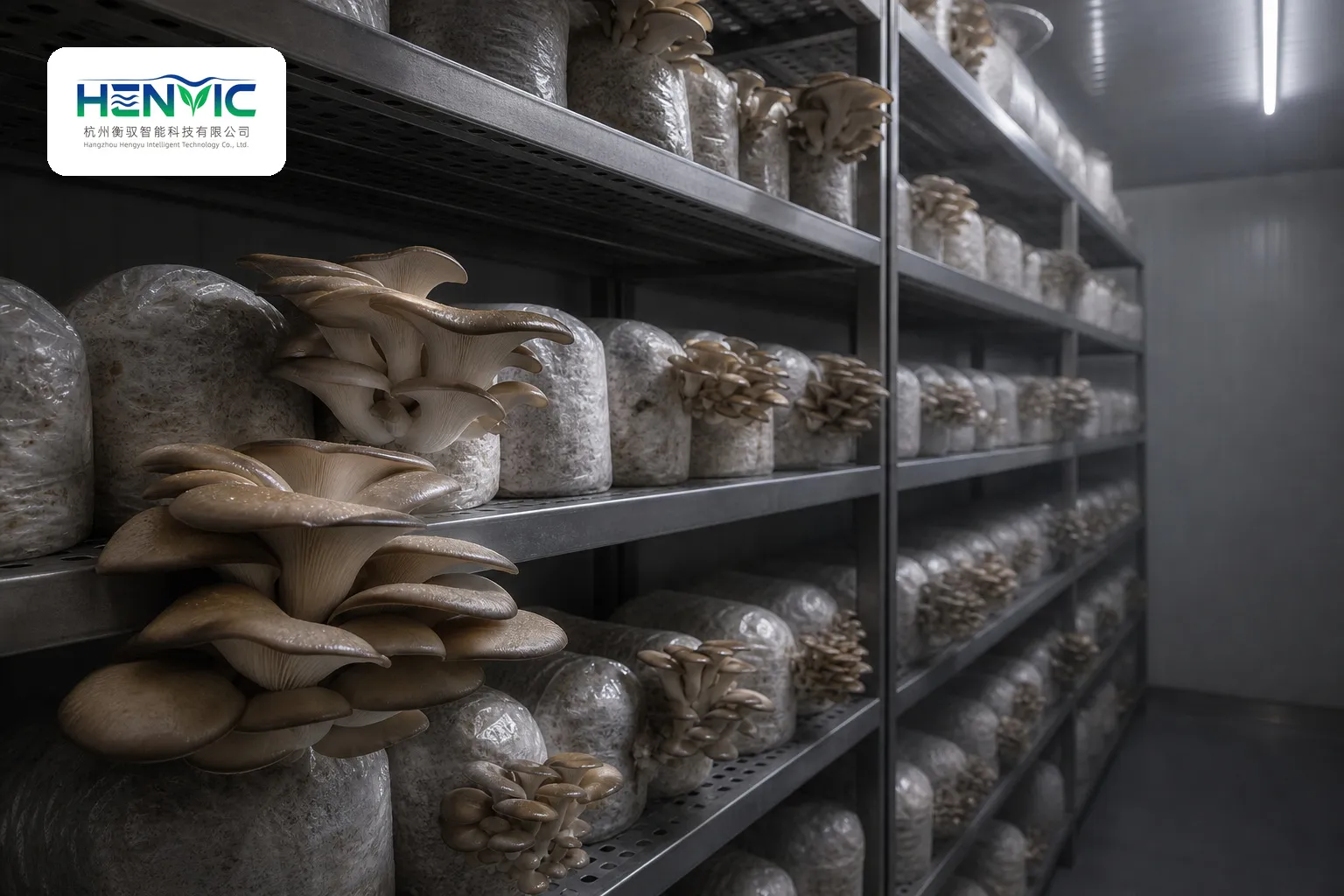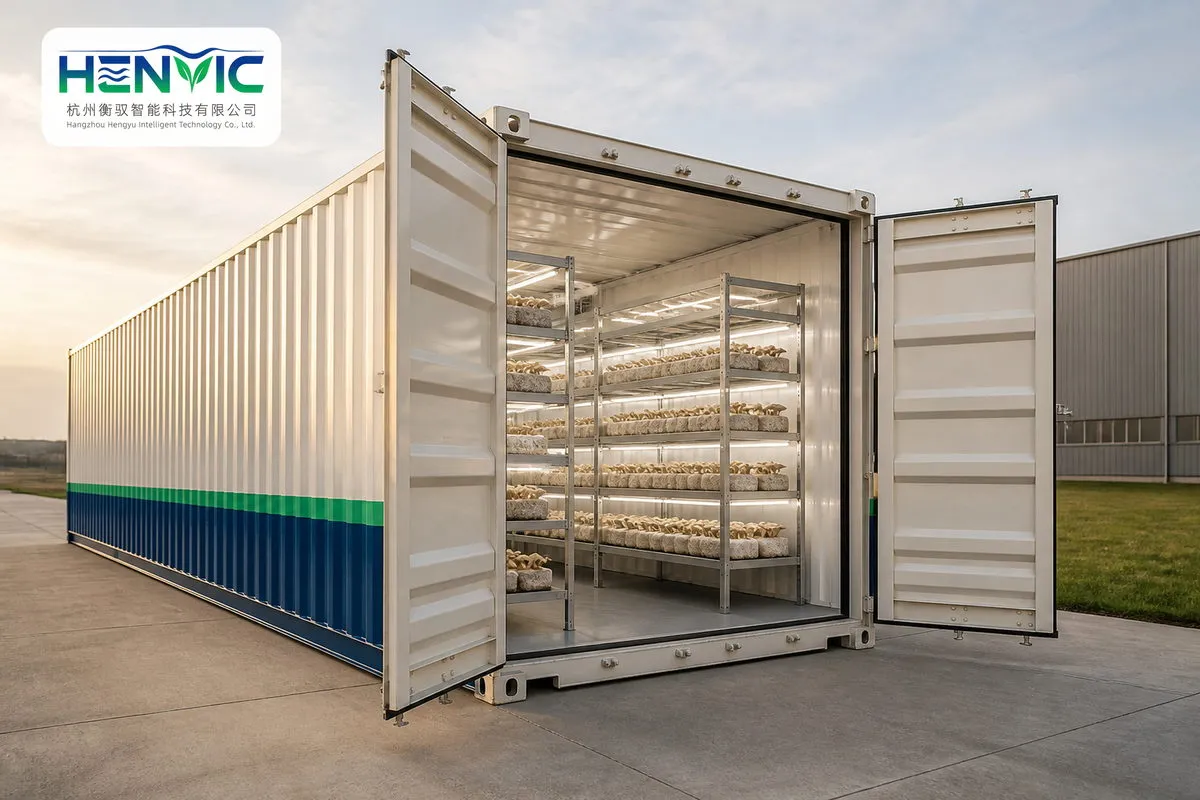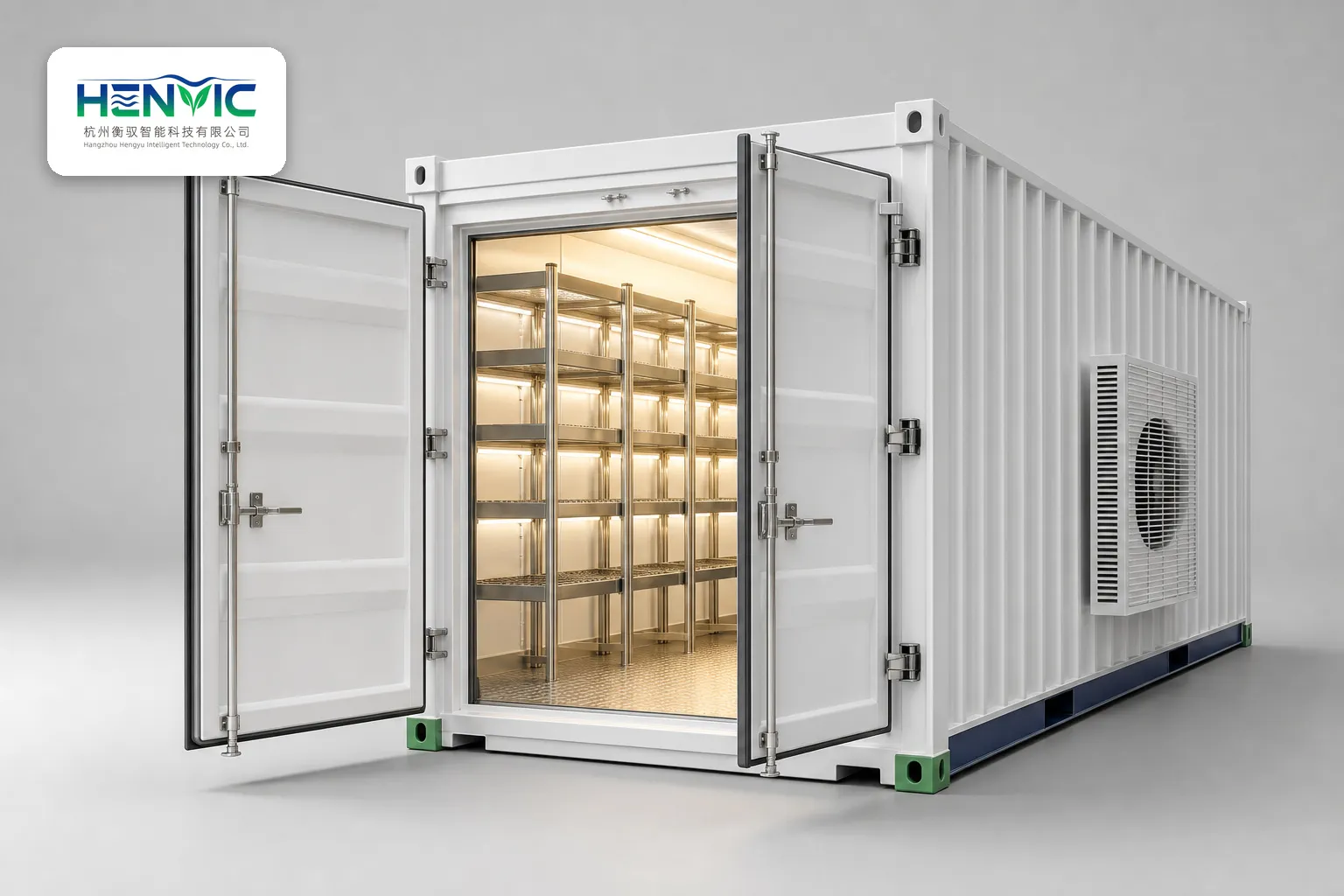
Humidity is one of the most critical yet highly variable environmental parameters in controlled-environment plant cultivation. In a containerized plant cultivation system, humidity refers to the concentration of water vapor in the air, typically expressed as relative humidity (RH)—the ratio of the actual water vapor content to the maximum amount the air at that temperature can hold.
For containerized cultivation, humidity control is not merely a matter of comfort; it directly impacts photosynthesis, transpiration, nutrient uptake, disease incidence, and ultimately crop yield and quality. In an enclosed environment, humidity imbalances are modified by plant transpiration, substrate moisture evaporation, and the continuous operation of HVAC and lighting systems, so passive regulation is nearly impossible. Effective humidity management requires a coordinated combination of humidification, dehumidification, air circulation, and intelligent monitoring.
1. The Importance of Humidity Control in Plant Cultivation Containers
Maintaining the proper humidity level within a plant container is vital for several biological and physiological reasons:
- Optimizing Photosynthesis and Growth: When the air is too dry, stomata—the microscopic openings on leaves—close to conserve water. This severely limits the intake of carbon dioxide, hindering photosynthesis and slowing the growth rate of the entire enclosed environment.
- Preventing diseases: Excessive moisture or high humidity promotes the germination of airborne spores, such as powdery mildew, botrytis, and downy mildew. Moreover, excess surface water combined with poor ventilation can lead to root rot in hydroponic systems.
- Minimizing Water Stress: If humidity is too low, plants lose water faster through transpiration. They can experience permanent wilting even if their root zone is adequately hydrated.
- Improving Nutrient Absorption: Proper humidity levels help regulate the osmotic balance between plant cells. This, in turn, influences how efficiently plants absorb nutrients from the soil or hydroponic solution.
2. Core Principles of Humidity Regulation
Humidity control in plant containers follows a simple but precise physical principle: moisture enters and exits the system,and must be managed to maintain a dynamic equilibrium.
Water enters the enclosed space through various routes: irrigation, plant transpiration, and air infiltration. To prevent condensation and disease, the system must remove the surplus moisture. Thus, humidity regulation relies heavily on two primary mechanisms: evaporative humidification (adding moisture) and condensation-based dehumidification (removing moisture).
3. Humidification Technologies
When the internal environment becomes too dry—often due to high HVAC indoor temperatures or powerful lighting—the system requires a humidification strategy:
- Ultrasonic Humidifiers: These devices use high-frequency vibrations to vaporize water into a fine mist. They are highly energy-efficient, compact, and precise, making them ideal for cutting-edge smart containers. They rapidly raise humidity with minimal heat generation.
- High-Pressure Mist Systems: Common in commercial-scale shipping container farms, high-pressure pumps force water through nozzle spray heads, creating extremely small droplets that float in the air and immediately evaporate to raise humidity.
- Humidification via Wetted Walls or Evaporative Cooling Pads: Air is drawn through continuously wetted pallets, maximizing surface area for water to evaporate and naturally moisturize the airflow.
4. Dehumidification Technologies
Given that enclosed spaces often lack natural drainage, high humidity is a frequent challenge resulting from plant transpiration and dense crop spacing. Removing excess moisture is crucial:
- Condensing Dehumidifiers: These units actively draw air across cooled evaporator coils, causing water vapor to condensate and drip into a drain pan. This simultaneously cools and dries the confined space. To prevent thermal stress, the extracted heat is redirected back into the system.
- HVAC Integration: Many high-tech containers integrate energy recovery ventilators (ERV) that bring in filtered outdoor air. By passing the return air through a heat exchange core, moisture transfers to the exhaust stream, achieving dehumidification without major energy penalties.
5. Air Circulation and EnvironmentalZoning
Humidity is rarely uniform throughout an enclosed container. Poor airflow creates stagnant pockets of highly humid air, which inevitably lead to microclimates that harbor harmful pathogens.
- Air Circulation Fans: Installing mixed-flow or horizontal airflow fans ensures that air is constantly mixed. This prevents moisture from accumulating at the plant canopy level and promotes uniform transpiration across all plants.
- Vertical Environmental Zoning: In multi-tier vertical racks, humidity naturally rises from the bottom to the top due to heat generation. Placing fans strategically between tiers, along with strategically positioned dehumidifier inlets, equalizes the humidity across the vertical gradient.
6. Water Management in the Cultivation Substrate
Root-zone moisture directly correlates with air humidity.Uneven watering can cause cyclical spikes and drops in the container's humidity:
- Clean Water Source: Always use clean water to prevent microbial growth in humidifiers that would otherwise spread harmful pathogens directly into the air.
- Nutrient Solution Management: In hydroponic systems, continuous water circulation and reservoir cooling help prevent the exposed water surface from acting as an uncontrolled humidity source.
7. Intelligent Control and Automated Sensors
The most advanced container-based cultivation systems replace human guesswork with artificial intelligence and automation, involving integrated monitoring capabilities:
- High-Precision Sensors: Advanced environmental sensors continuously monitor ambient humidity, air temperature, and leaf wetness.
- Automated Algorithmic Correction: Connected controllers read real-time sensor data and compare it to ideal growth parameters. If humidity falls below the threshold, the system automatically activates environmental regulators to vaporize water. If humidity exceeds the target, dehumidifiers or ventilation fans are triggered automatically.
- Dynamic Compensation: Because plant transpiration directly modulates indoor humidity, advanced AI control adjusts accordingly based on the growth cycle and lighting intensity to prevent wild fluctuations.
Conclusion
Mastering humidity control in plant containers requires a comprehensive understanding of the interconnected biological processes within the enclosed environment. By combining precise humidification, efficient dehumidification, robust air circulation, and intelligent environmental algorithms, growers can create a perfectly balanced atmosphere. This eliminates the climatic uncertainties of traditional farming, safeguarding plant health, minimizing disease risk, and ensuring optimal yields year-round.