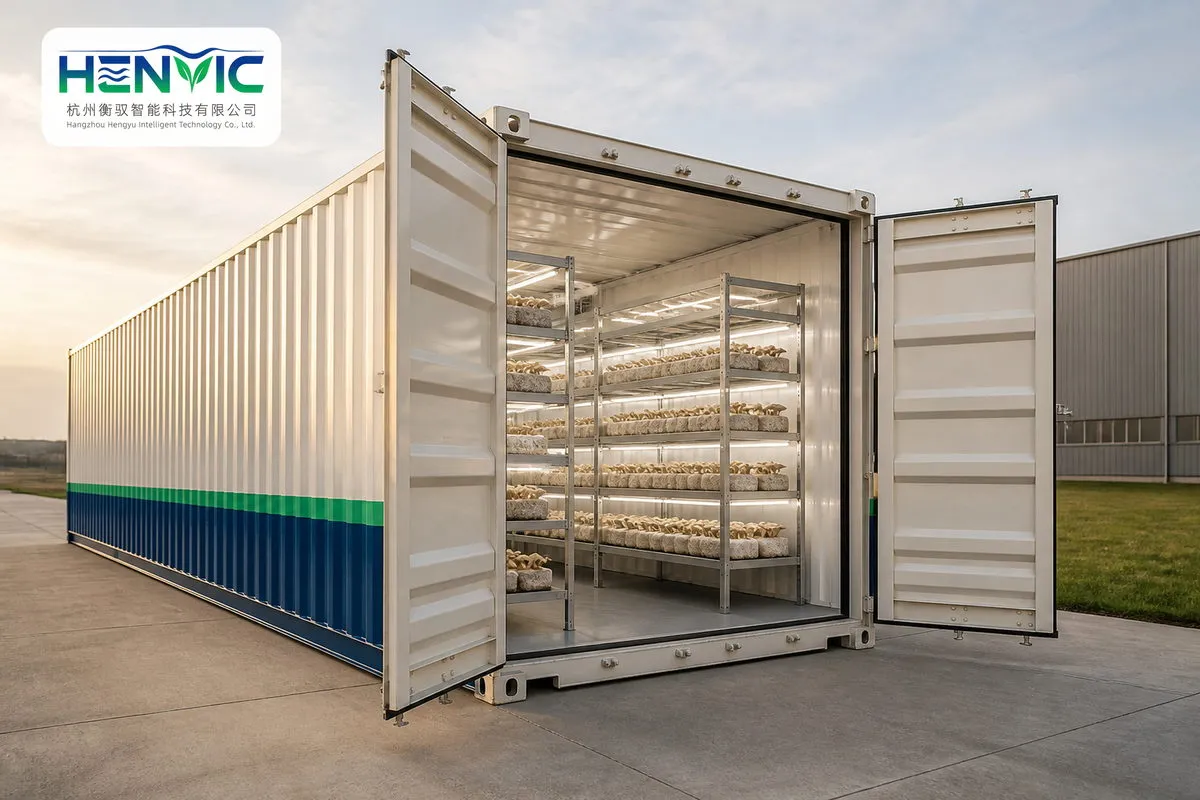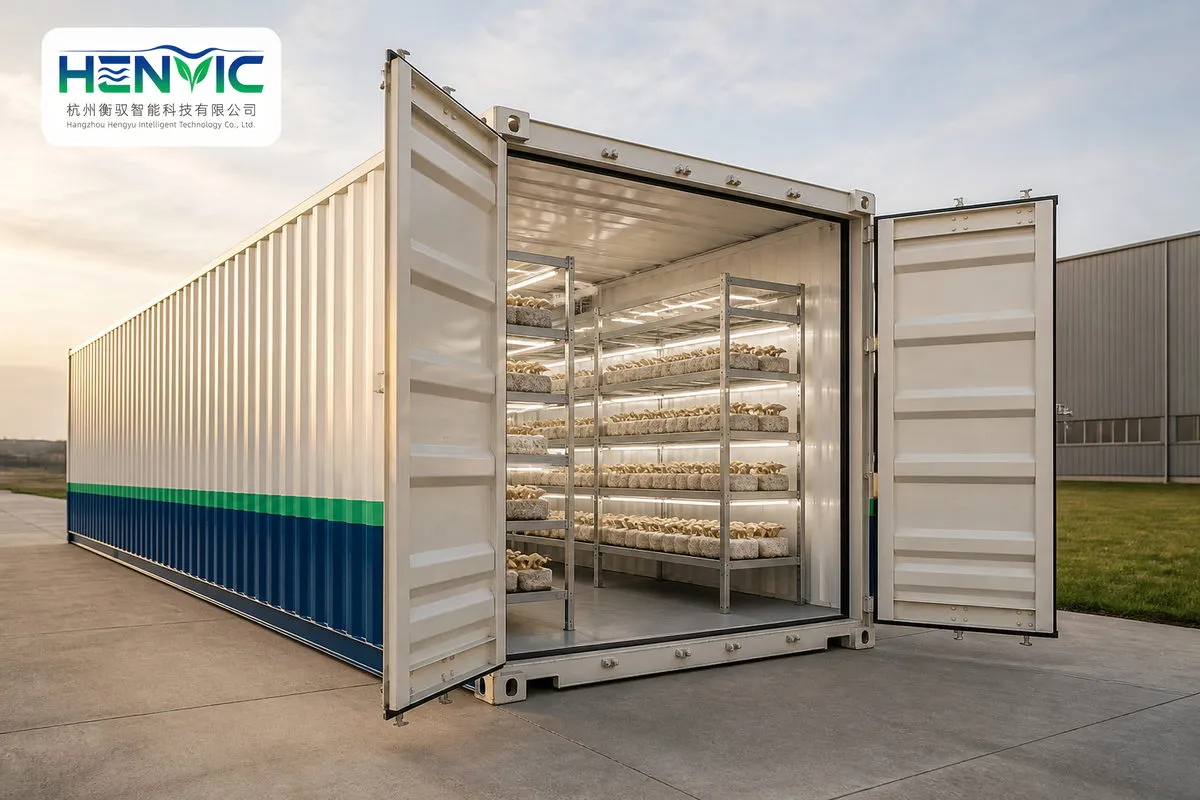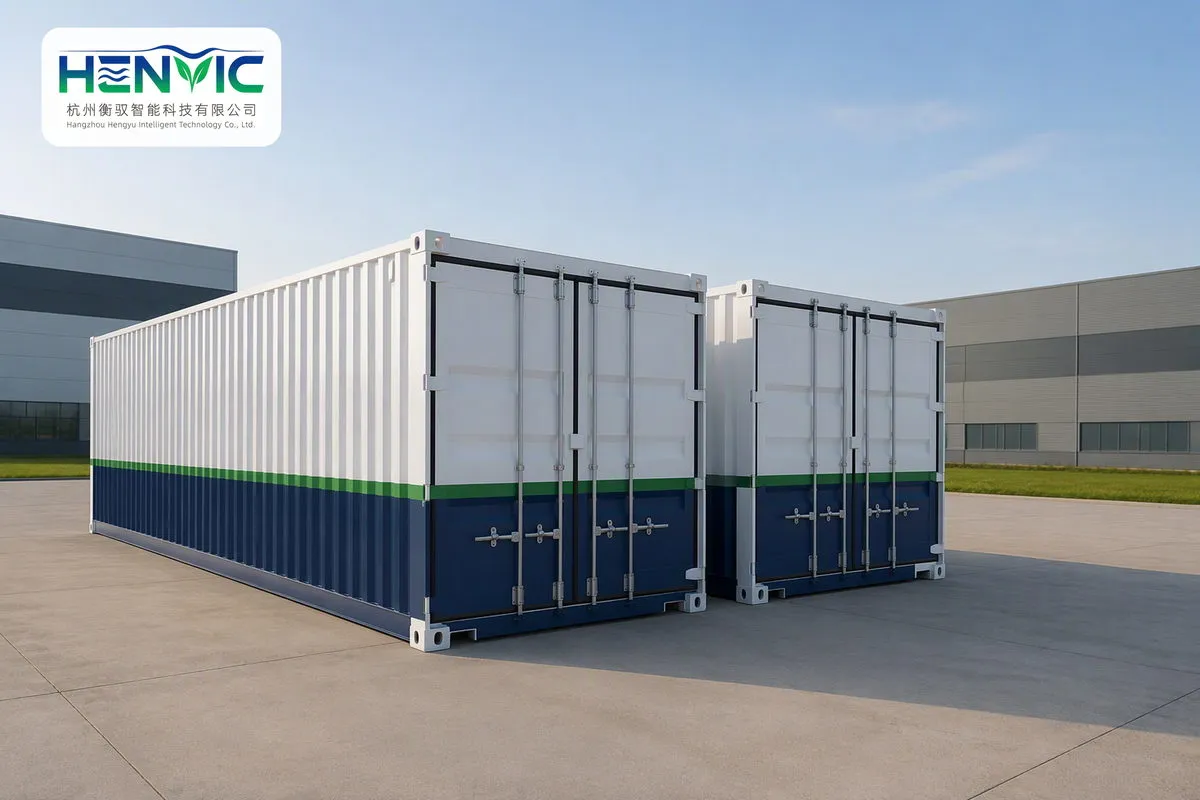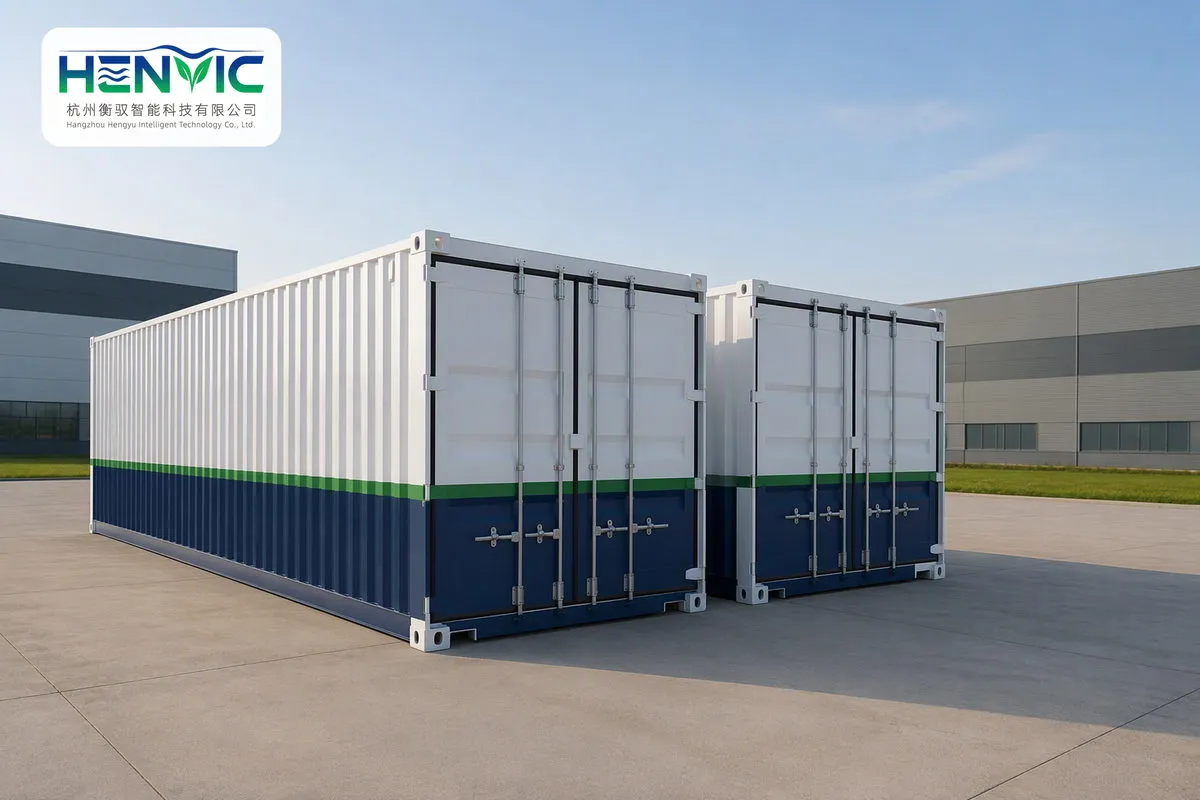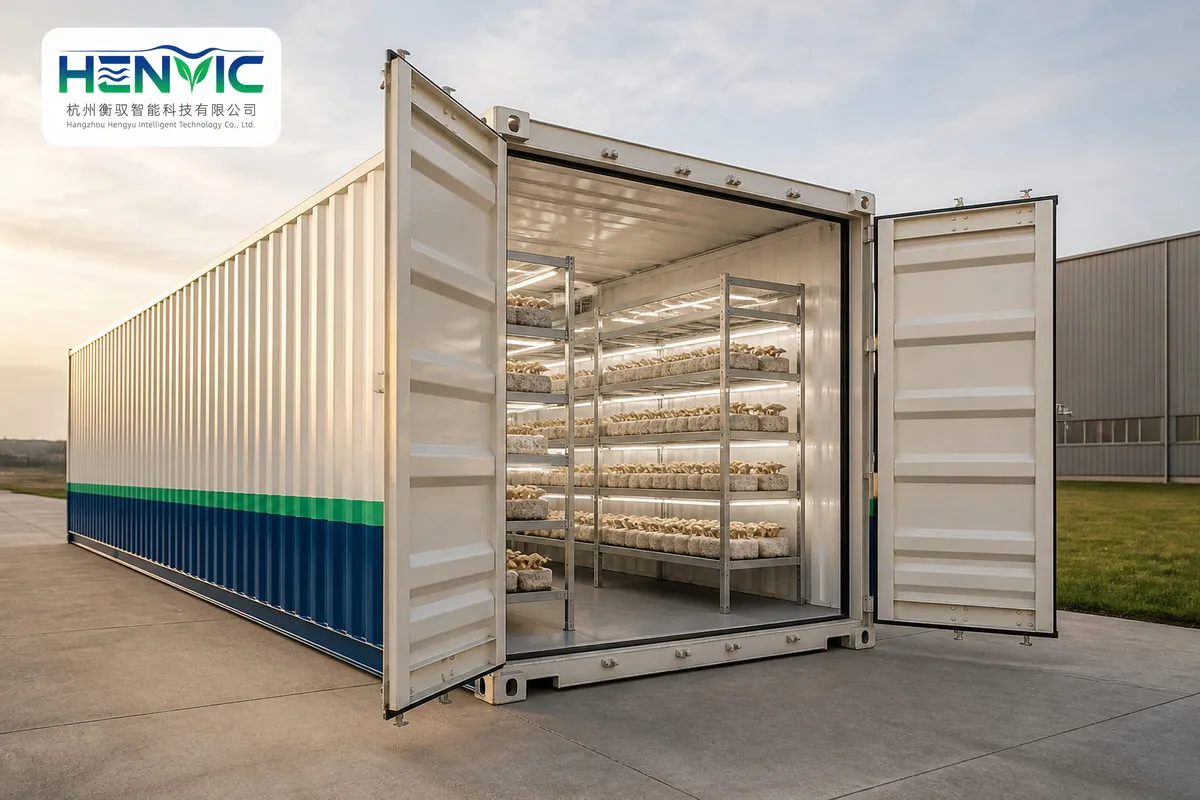
In recent years, the demand for high-end wild edible mushrooms in Western markets has steadily increased. To overcome seasonal shortages and supply chain instability, an agricultural technology company in the Netherlands has pioneered the deployment of Boletus cultivation containers, offering a sustainable and efficient solution.
Project Background
The project was launched in Rotterdam in 2021, aiming to meet the growing market demand for fresh, high-quality Boletus mushrooms. By leveraging advanced environmental control technologies and sophisticated cultivation management, the project achieved year-round, stable production independent of external climate conditions.
Technology and System Features
Each container functions as a fully autonomous smart farming unit. The system integrates multi-spectral LED lighting arrays and an intelligent HVAC (Heating, Ventilation, and Air Conditioning) system to precisely regulate temperature, humidity, and airflow. Additionally, high-efficiency HEPA filtration ensures a sterile environment, effectively eliminating contaminants and wild pests.
A key aspect of this project was the application of precision nutritional management. Substrates used in these containers were carefully formulated and sterilized to provide essential nutrients for Boletus growth, simulating the nutrient-rich conditions of natural forests.
Sustainability and Market Impact
The container-based cultivation model significantly reduced water consumption, utilizing a closed-loop recycling system that conserved up to 90% of water compared to traditional agriculture. Moreover, by situating the production facilities close to major European urban centers, the company significantly shortened the supply chain, ensuring that fresh mushrooms reached local restaurants and supermarkets within 24 hours of harvesting.
This innovative approach yielded substantial economic and environmental benefits. Compared with conventional imports, the container cultivation system reduced carbon emissions associated with long-distance transportation. The year-round stable supply allowed the company to obtain a price premium of approximately 30% in the premium market, with the expected return on investment for the initial 25-container project within five years.
Project Expansion
Following the success of the Rotterdam facility, the company expanded its operations to other regions with high demand, including parts of Italy and the U.S. West Coast, continuously replicating this containerized Boletus cultivation model internationally.
Conclusion
This overseas case demonstrates that the Boletus cultivation container is a mature and viable solution. It combines precise environmental control, advanced nutritional management, and sustainable practices to address the constraints of traditional harvesting. As this model continues to evolve, it is expected to provide a sustainable and reliable source of high-value edible mushrooms globally.