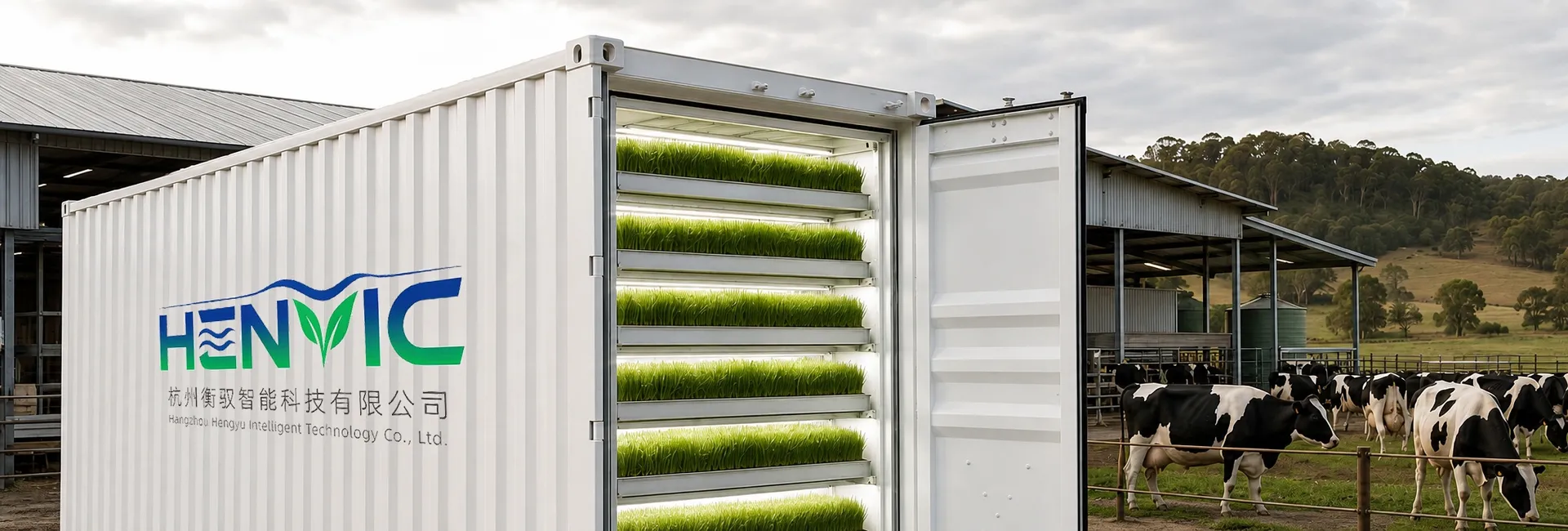
In a container farm, sunlight is neither available nor desirable. With no windows and a sealed shell, the entire photosynthetic requirement of the crop must be met by artificial lighting. This makes the lighting system the functional replacement for the sun—and, along with climate control, one of the two dominant components of the operation.
The shift from sunlight to electric light is not merely a substitution; it is an opportunity. Natural sunlight is broadband, seasonal, weather-dependent, and fixed in intensity. Electric lighting can be tuned to any spectrum, delivered at any intensity, and scheduled to any photoperiod. The grower controls exactly when, how much, and what color of light the plants receive—a degree of control impossible in the field.
What Plants Need From Light
Plants use light for photosynthesis, converting photons, water, and CO₂ into carbohydrates. The relevant measure is not lumens, which are calibrated to human vision, but photosynthetically active radiation—the portion of the spectrum, roughly 400 to 700 nanometers, that chlorophyll can absorb. Within this range, red and blue wavelengths are most effective. Blue light drives vegetative growth, compactness, and stomatal opening; red light drives photosynthesis and biomass accumulation. Other wavelengths influence morphology, pigmentation, and secondary metabolite production.
Two quantities matter most to growers. Daily light integral is the total amount of usable light delivered over a day, and it correlates strongly with yield. Photoperiod is the duration of the light period, which controls developmental responses such as flowering. By managing these two variables together, growers can steer crops toward desired outcomes.
Why LEDs
Light-emitting diodes have become the standard for container agriculture, displacing older technologies such as high-pressure sodium and fluorescent lamps. The reasons are compelling. LEDs convert electricity into light more efficiently, reducing both lighting energy and the heat that must then be removed by cooling. They emit specific wavelengths rather than wasting energy on unused parts of the spectrum. They are dimmable and instant-on, allowing precise control of intensity and scheduling. They have long lifetimes and low maintenance. And they produce little radiant heat toward the canopy, allowing closer placement without scorching plants.
The efficiency of LEDs has improved dramatically over the past decade, and this improvement directly benefits container farms, where lighting can account for a large share of electricity use. Better efficacy means more photons per dollar and less heat per photon.
Tuning the Spectrum
One of the great advantages of LED lighting is spectral tuning. Rather than a fixed broadband output, LED fixtures combine diodes of different colors to create a spectrum matched to a crop's needs. Typical commercial recipes emphasize red and blue, sometimes with additional far-red, green, or white diodes for specific effects.
Far-red light, though barely used for photosynthesis, can trigger shade-avoidance responses that stretch stems and leaves, useful for some crops and detrimental for others. Green light penetrates deeper into the canopy and can improve light distribution to lower leaves. The optimal spectrum varies by species, growth stage, and even the specific quality traits being targeted, which is why spectrum recipes are a focus of ongoing research and proprietary development.
Lighting Strategy and Energy
Lighting strategy is inseparable from energy management. Because lights generate heat, increasing light intensity raises the cooling load, so the net energy cost of a photon is higher than the lamp's electricity consumption alone. Growers therefore seek the most efficient way to deliver the required daily light integral—whether through higher-intensity lighting for shorter periods or lower-intensity lighting for longer, depending on crop response, tariff structures, and cooling capacity.
Scheduling also matters. Shifting lighting to off-peak periods can reduce electricity cost where time-of-use tariffs apply. Some growers exploit cooler night hours to run higher light intensities, offsetting the cooling penalty. And because photoperiod affects plant development, scheduling must respect biological requirements alongside economic ones.
Integrating Light and Environment
Lighting does not operate in isolation. The interaction between light, temperature, humidity, and CO₂ determines how efficiently a plant converts photons into biomass. When light is abundant but CO₂ or nutrients are limiting, additional light is wasted. When light is increased without adequate cooling or humidity control, stress and disease follow. Advanced facilities coordinate lighting with climate and fertigation so that all resources rise and fall together in proportion to the crop's capacity to use them.
Frontiers
Research continues on multiple fronts. Dynamic spectra that change through the day or the growth cycle may better match plant needs. Lighting that responds to real-time measurements of photosynthesis could deliver photons only when they can be used, reducing waste. Cheaper, more efficient diodes continue to lower the cost of light. And machine learning is increasingly used to search the huge space of spectral, intensity, and scheduling combinations for recipes that optimize yield, quality, and energy together.
In container agriculture, light is the sun made controllable. The technology's progress in efficiency and precision directly determines how productive, how profitable, and how sustainable the entire enterprise can be. The container farmer's daily task is not to hope for good weather, but to design it—and lighting is where that design begins.