Introduction
Leafy greens—lettuce, spinach, kale, arugula, and microgreens—have become the flagship crops of container-based vertical farming. Their short life cycles, compact growth habit, and high market value make them ideal candidates for controlled-environment agriculture (CEA). This article presents a comprehensive case study of a commercial-scale leafy greens cultivation operation using smart pods, drawing on real-world deployment patterns, system specifications, and performance data to illustrate the technology in practice.
Project Overview
Facility Name: GreenPod Farms (representative case)
Location: Suburban industrial park, temperate climate zone
Scale: 12 modular smart pods (20 ft shipping containers, ISO-standard)
Total cultivation area: Approximately 540 m² (45 m² per pod × 12 pods)
Primary crops: Butterhead lettuce, baby spinach, kale, arugula, and premium microgreens
Annual production capacity: Approximately 24,000–30,000 kg of fresh leafy greens per year
Staffing: 2 full-time operators + 1 part-time harvesting technician
System Architecture
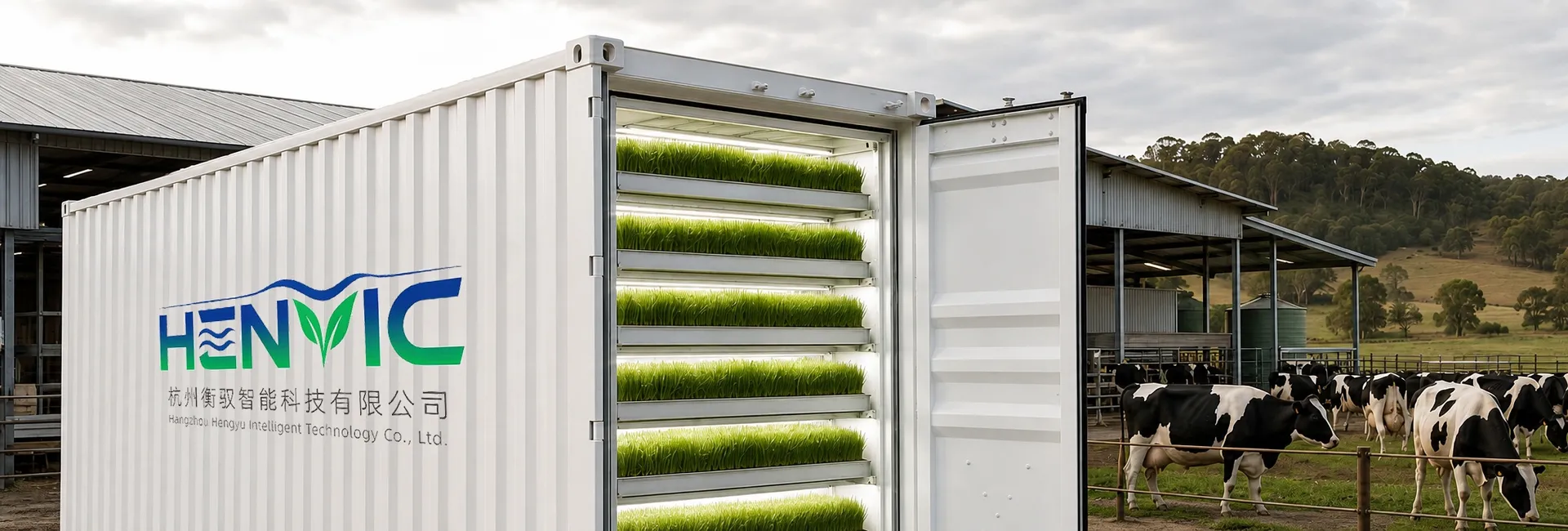
Each smart pod is a fully self-contained cultivation unit built from a modified 20 ft steel shipping container (6.1 m × 2.44 m × 2.59 m). The interior is fitted with a five-tier vertical growing rack, giving each pod approximately 45 m² of cultivation surface—roughly equivalent to 180 m² of traditional greenhouse space when accounting for vertical stacking.
Structural and Thermal Envelope
The container shell is insulated with 50 mm polyurethane foam panels (R-value ≈ 3.2 m²·K/W), achieving effective insulation against external temperature fluctuations. The interior surfaces are lined with food-grade stainless steel or antimicrobial coated panels for easy cleaning and pathogen control. Access is via an insulated personnel door and a small transparent viewing window.
Climate Control System
Each pod is equipped with a dedicated HVAC unit capable of:
• Cooling capacity: 5 kW, sufficient to handle the thermal load from LED lighting and plant transpiration during peak summer conditions
• Heating capacity: 3 kW electric heater with heat recovery from the refrigeration cycle
• Dehumidification: Refrigeration-based dehumidifier maintaining relative humidity between 60–75%
• Air circulation: Two axial fans per pod creating gentle laminar flow across all five tiers, ensuring uniform CO₂ distribution and preventing stagnant microclimates
The climate control system is governed by a PID controller that maintains temperature within ±0.5°C of the setpoint and humidity within ±2% RH.
LED Lighting
Each pod uses four high-efficiency LED grow panels (total power: 600 W), delivering:
• Spectrum: Full-spectrum white (CRI ≥ 95) supplemented with red (660 nm) and blue (450 nm) diodes, tuned to maximize photosynthetic efficiency for leafy greens
• Intensity: 200–250 µmol/m²/s PPFD at canopy level
• Photoperiod: 16 hours light / 8 hours dark (programmable)
• Uniformity: Coefficient of variation < 8% across the growing surface
Vertical Racking System
The five-tier aluminum rack (each tier 1.2 m × 0.6 m) is designed to support:
• Substrate trays (NFT channels or felt-lined hydroponic trays)
• Water lines and nutrient distribution tubing
• Lightweight structural load of approximately 60 kg per tier
Tier spacing is 35 cm, optimized for light penetration and air circulation for leafy green canopies.
Water and Nutrient System
• Reservoir: 300 L food-grade HDPE tank per pod
• Circulation: Variable-speed diaphragm pump (30–60 L/min) delivering nutrient solution through NFT channels or drip lines to each plant
• Filtration: 100 µm mechanical filter + UV sterilization unit (254 nm, 40 mJ/cm²) to prevent root disease in the closed-loop system
• EC/pH monitoring: Inline sensors with automated dosing of concentrated nutrient solution and pH adjustment solution (phosphoric acid or potassium hydroxide)
• Water source: Reverse osmosis (RO) system shared across all 12 pods, producing < 10 µS/cm purified water
Sensor Network
Each pod carries a distributed sensor array:
Sensor Type
Parameter
Accuracy
Quantity per Pod
RTD (Pt100)
Temperature
±0.1°C
3 (top, middle, bottom tiers)
Capacitive RH
Humidity
±2% RH
2
NDIR
CO₂
±50 ppm
1
Quantum (PAR)
Light intensity
±5 µmol/m²/s
1 per tier (5 total)
Inline EC
Nutrient strength
±0.1 mS/cm
1
Inline pH
Nutrient pH
±0.1
1
Water level
Reservoir volume
±2%
1
Centralized Control System
All 12 pods are monitored and controlled through a centralized PLC-based system with:
• On-site HMI: 12-inch touchscreen dashboard in the central corridor
• Cloud platform: Web-based interface accessible remotely for monitoring, data export, and alarm management
• Automated recipes: Each crop has a pre-programmed environmental profile that the system follows automatically
• Alarm system: SMS and email alerts for temperature, humidity, CO₂, water level, or equipment faults
Cultivation Protocol
Crop Profiles
Butterhead Lettuce:
• Mycelial/seedling phase: 7 days (germination and early growth)
• Vegetative growth: 25–30 days
• Target temperature: 18–21°C day / 15–18°C night
• Target humidity: 65–75% RH
• Target EC: 1.4–1.6 mS/cm
• Target pH: 5.8–6.2
• Light: 220 µmol/m²/s, 16h photoperiod
Baby Spinach:
• Growth cycle: 28–35 days
• Target temperature: 15–18°C (tolerates cooler conditions)
• Target humidity: 60–70% RH
• Target EC: 1.5–1.7 mS/cm
Microgreens:
• Growth cycle: 12–18 days
• Target temperature: 20–22°C
• Target humidity: 70–75% RH
• Light: 250 µmol/m²/s, 18h photoperiod for rapid growth
Cultivation Cycle
Each pod operates on a staggered 7-day planting schedule, ensuring continuous harvest availability. The weekly cycle includes:
1. Monday: Seedling transplant to growing rack
2. Tuesday–Thursday: Vegetative growth phase with full environmental control
3. Friday: Monitoring and adjustment for harvest readiness
4. Saturday–Sunday: Harvest, tray cleaning, and replanting
Harvested produce is immediately moved to a chilling room (4°C) adjacent to the pod cluster for packaging and distribution.
Performance Results
After 12 months of operation, the facility reported:
Yield and Productivity
• Average yield per pod: Approximately 2,000–2,500 kg per year per pod
• Total annual production: 24,000–30,000 kg
• Areal efficiency: Approximately 60 kg/m²/year (vs. 3–5 kg/m²/year for open-field lettuce)
• Crop cycle frequency: 6–7 harvests per pod per year for lettuce and spinach
Quality and Consistency
• Grade A product rate: > 92% (uniform stipe length, closed heads, vibrant color)
• Food safety: Zero detected pathogen contamination (E. coli, Salmonella) across all product lots
• Shelf life: 12–14 days post-harvest (vs. 5–7 days for conventionally grown leafy greens), attributed to reduced stress and consistent cold chain
• Water use efficiency: 90% less water consumption compared to conventional open-field irrigation (closed-loop hydroponics)
Economic Performance
• Electricity consumption: Approximately 8–10 kWh per pod per day (lighting 60%, HVAC 30%, pumps 10%)
• Labor costs: 70% lower than equivalent greenhouse operation (automation of climate, irrigation, and monitoring)
• Market positioning: Premium pricing achieved through consistent quality, year-round availability, and local-origin branding
Key Challenges and Lessons Learned
1. Energy Optimization
During summer months, cooling load spiked as ambient temperatures exceeded 35°C. The facility addressed this by:
• Adding a heat exchanger to pre-cool incoming ventilation air
• Implementing a lighting schedule that shifted 30% of light to nighttime hours when ambient temperatures were lower
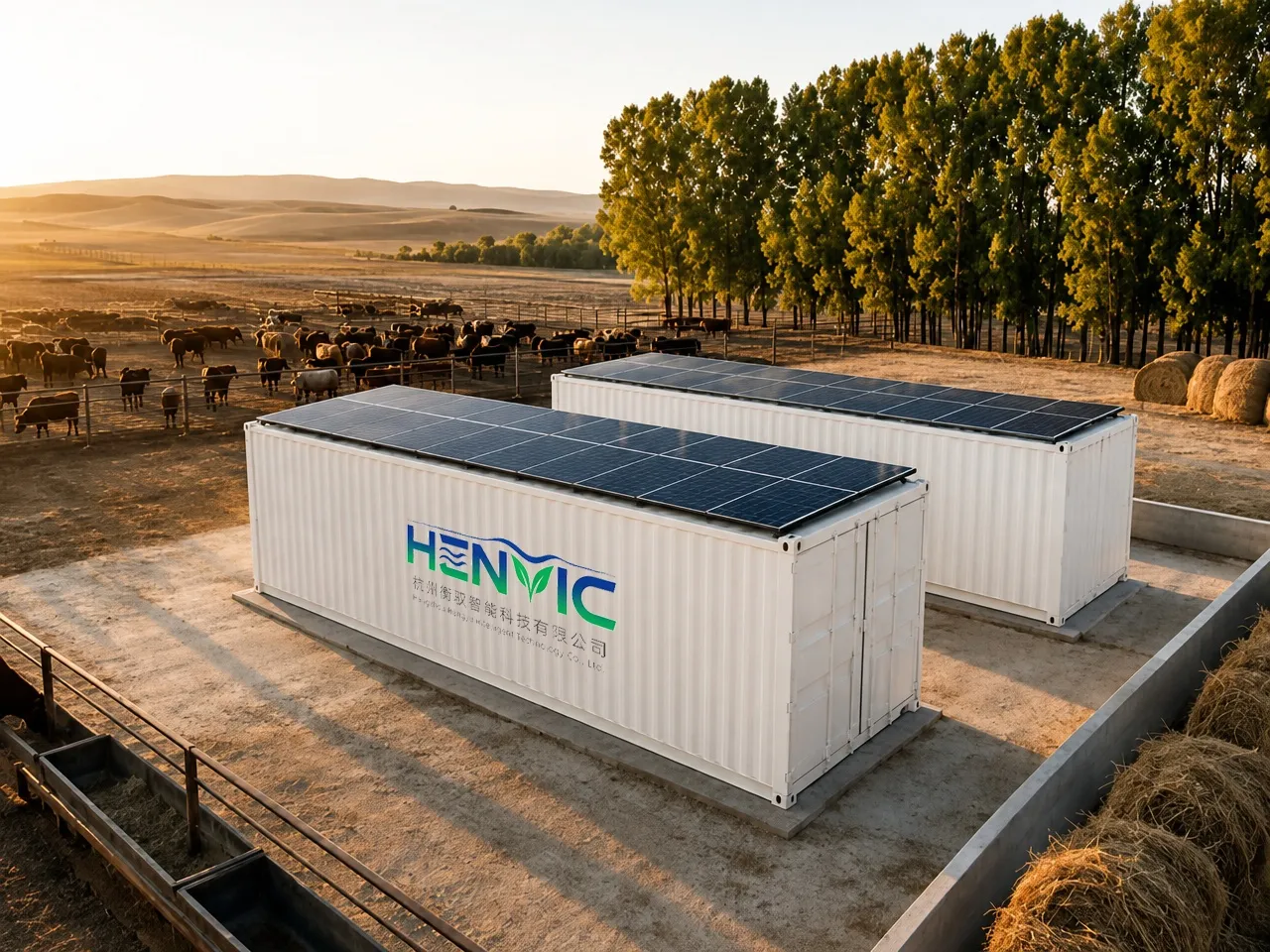
• Installing a 5 kW solar array on the roof of the pod cluster, reducing grid electricity consumption by 18%
2. Humidity Management
High humidity levels (above 80% RH) during early growth stages caused minor fungal pressure. The solution was a combination of:
• Stricter dehumidification scheduling during the seedling phase
• Brief afternoon drying cycles (5–10 minutes at reduced humidity) to create a "leaf surface dry period"
• Improved air circulation with directional ducting to ensure all tiers received uniform airflow
3. Pollination for Future Fruiting Crops
While leafy greens don't require pollination, the team noted that scaling to include fruiting crops (strawberries, cherry tomatoes) in the same pod system would require integrated pollination solutions—either mechanical vibrators or introduced bumblebee colonies in semi-open configurations.
4. Crop Rotation and Recipe Optimization
Over time, the team found that lettuce grown continuously in the same pod developed slight mineral imbalances in the substrate. The solution was a quarterly "flush cycle"—a complete drain, clean, and refill of the nutrient system, combined with substrate replacement every 4–5 crop cycles.
Scalability and Expansion Path
The GreenPod model demonstrated clear scalability:
• Single-site expansion: Additional pods can be placed adjacent to existing units with minimal infrastructure upgrade (shared RO water system, central HVAC distribution, and electrical panel)
• Multi-site replication: The modular design allows for replication in other climates with minimal re-engineering, as the pod's internal environment is self-regulating regardless of external conditions
• Crop diversification: The control system's recipe flexibility allows for the introduction of herbs (basil, cilantro), specialty greens, or small fruiting crops with minimal hardware modification
Conclusion
The GreenPod Farms case demonstrates that smart pod cultivation for leafy greens is a commercially viable, technically robust, and environmentally superior alternative to conventional greenhouse and field production. By tightly controlling every environmental variable—light, temperature, humidity, CO₂, water, and nutrients—the system delivers consistent, premium-quality produce year-round while using 90% less water and 70% less land than traditional methods.
The technology is not without its challenges—energy costs remain the primary operational expense—but ongoing advances in LED efficiency, heat recovery, renewable energy integration, and AI-driven optimization continue to strengthen the economic case. As the global vertical farming market grows from USD 5.6 billion in 2024 toward projected USD 13.7 billion by 2030, container-based smart pods are emerging as the most accessible and scalable entry point for precision agriculture, transforming how and where the world's leafy greens are grown.