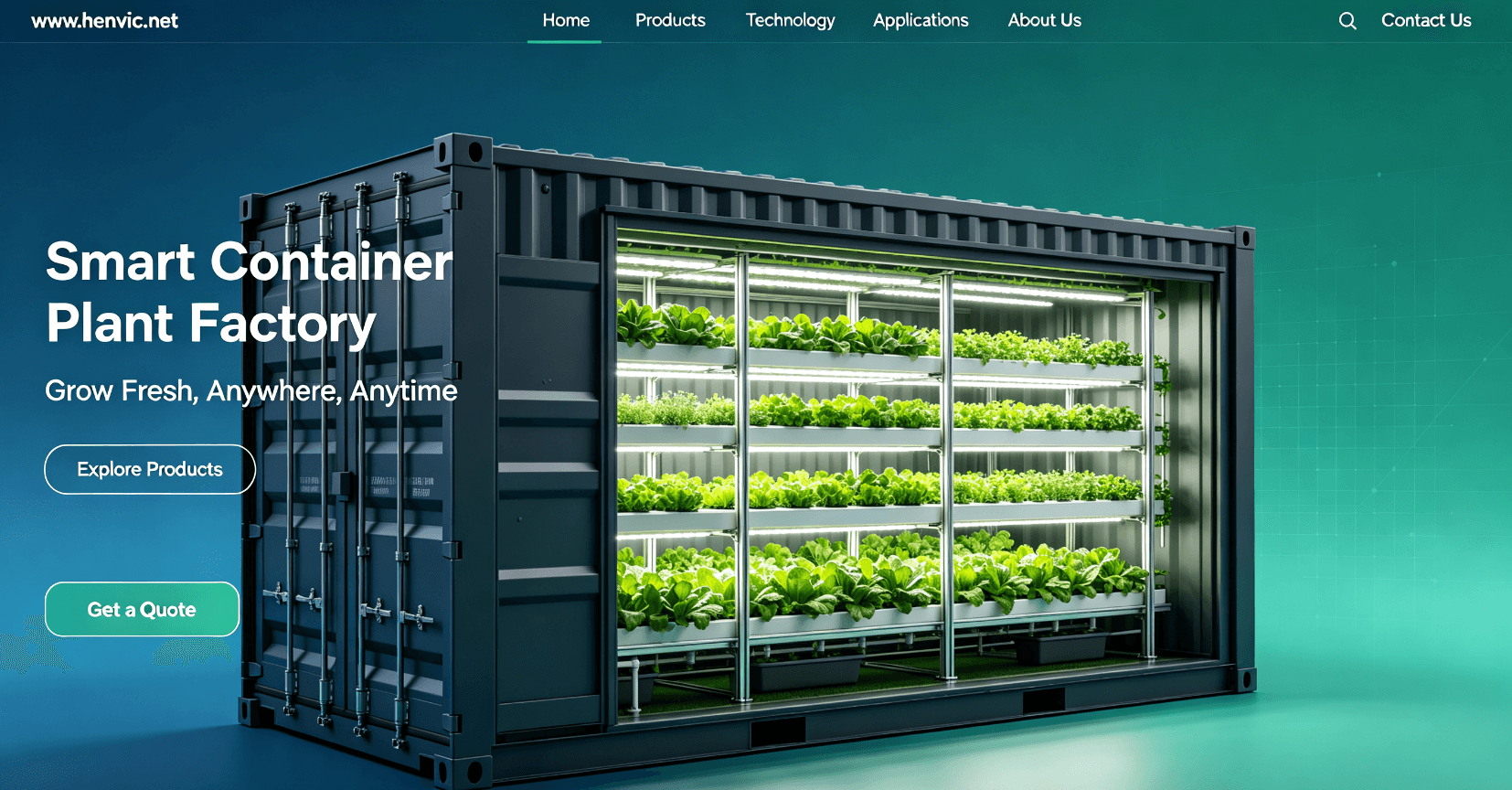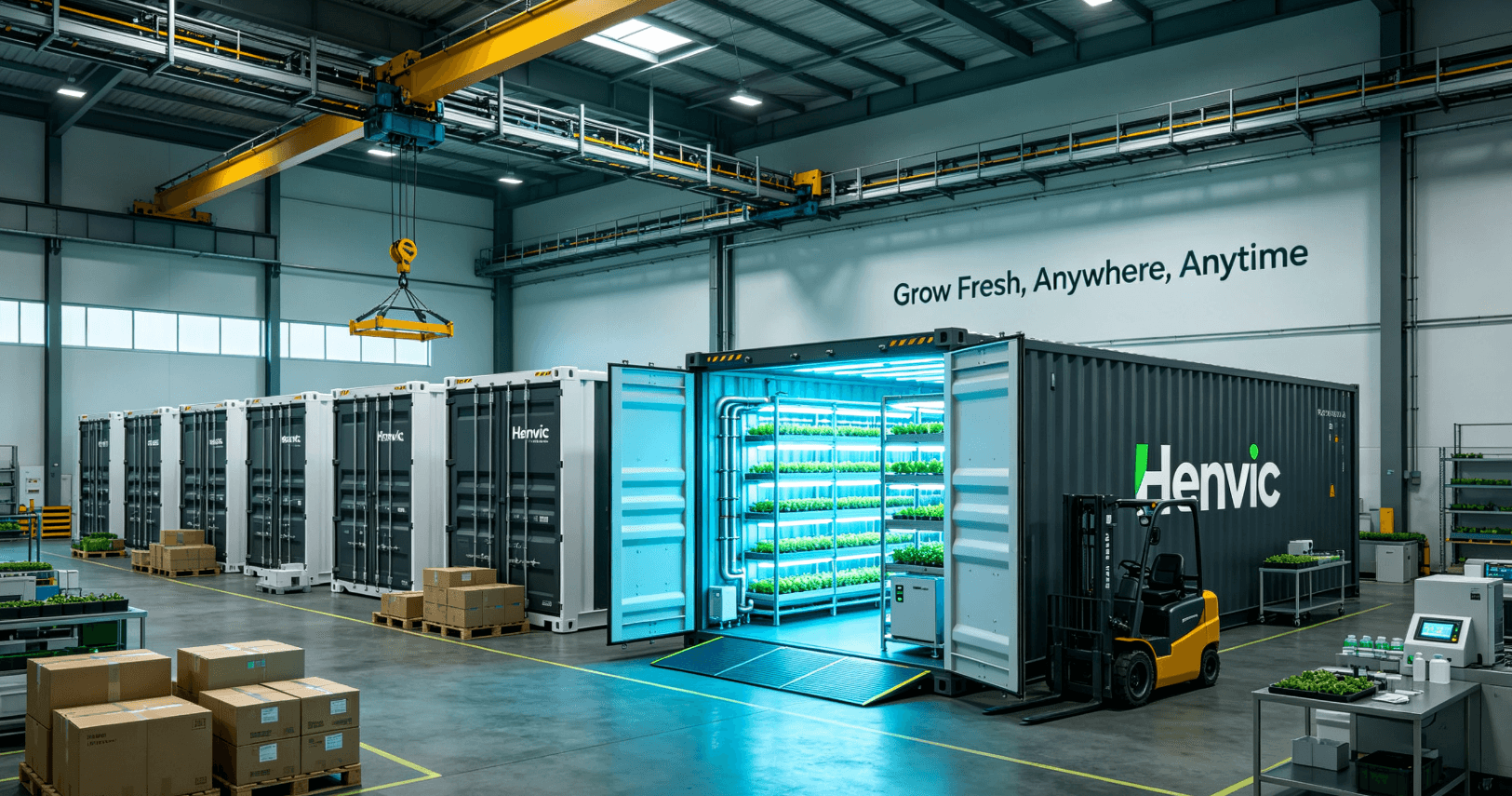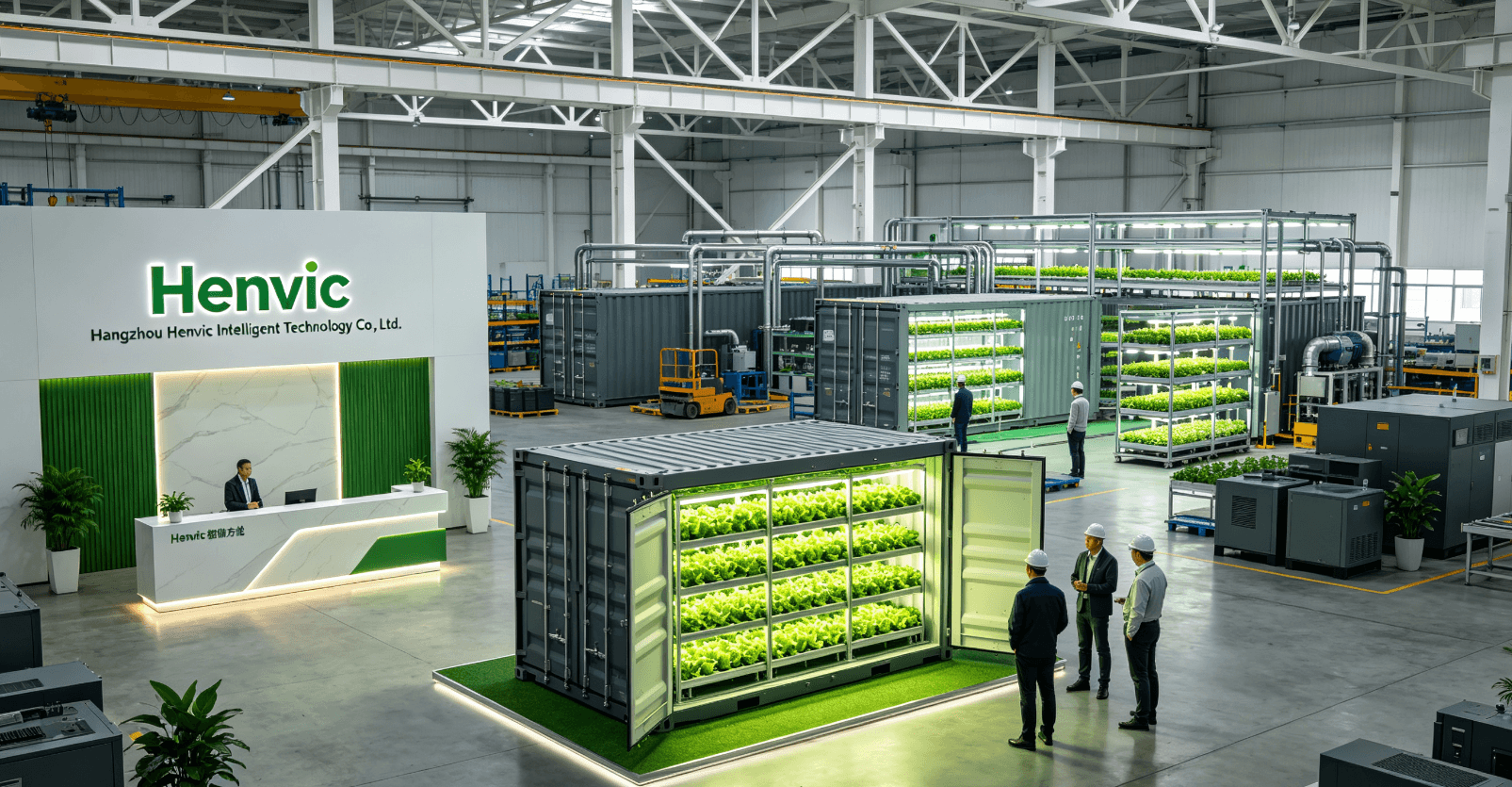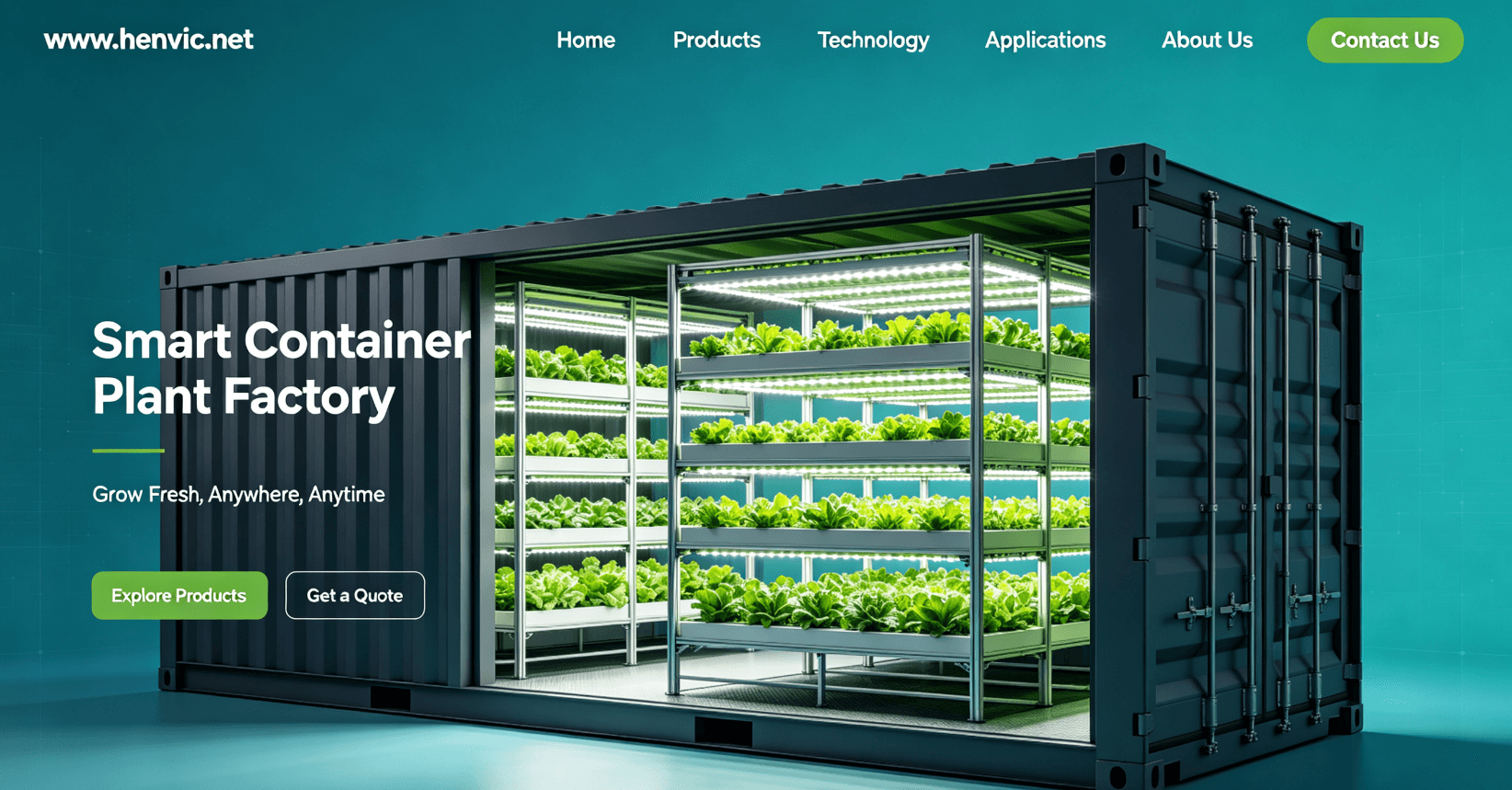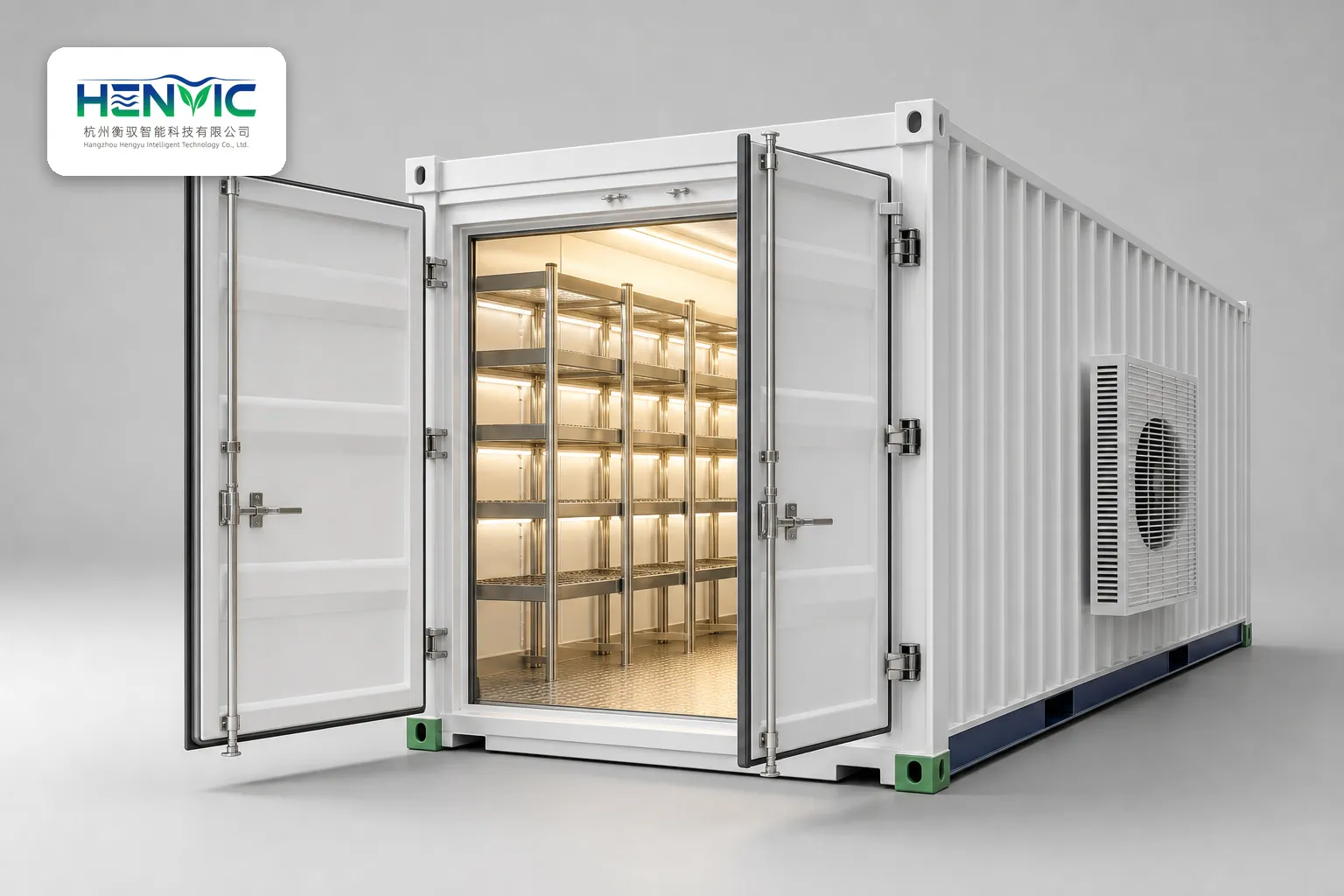
Coriander, a globally consumed fresh herb and seasoning, faces challenges from seasonal supply imbalances, severe pest infestations, and limited arable land in modern agriculture. Containerized cultivation, a high-tech farming model built on modular enclosed units equipped with automated and intelligent environmental controls, has emerged as an ideal solution. It creates an independent, stable, and controllable growth environment that simultaneously meets the biological needs of coriander and market demands for stable supply and food safety.
I. Core Advantages of Containerized Coriander Cultivation
Containerized coriander cultivation differs fundamentally from traditional open-field farming by establishing a sealed, controlled cultivation space. This model delivers four core advantages:
- Independence from geography and seasonal limitations: The cultivation container operates as a self-contained production system. It can be deployed in rooftops, basements, abandoned industrial sites, or arid and cold regions with poor soil conditions, enabling year-round, 365-day continuous production. This effectively resolves seasonal shortages and ensures a stable market supply of coriander.
- Significantly higher yield and stable quality: By precisely regulating the four key factors of light, temperature, water, and nutrients to match the growth rhythm of coriander, the growth cycle is shortened noticeably. Environmental stability also dramatically reduces pest and disease attacks, eliminating the need for pesticides and yielding green, safe, and highly consistent coriander products.
- High resource utilization efficiency: Equipped with recirculating hydroponic systems, cultivation containers automatically supply nutrient solutions to plant roots on a fixed schedule. Excess nutrient liquids are recovered and reused, reducing water and fertilizer consumption and lowering environmental pollution while lowering overall production costs.
- Intelligent and low-labor operation: Integrated Internet of Things (IoT) sensors and programmable controllers enable real-time data collection, remote monitoring, and automated regulation of internal conditions. It largely reduces manual operation and ensures consistent product quality across production batches.
II. Core Technical Configuration of Cultivation Containers for Coriander
Containerized coriander cultivation relies on a set of interconnected high-tech systems to maintain an optimal growth environment at all times:
- Illumination system: Coriander is a light-sensitive crop. The container is fitted with full-spectrum LED plant lamps that simulate natural sunlight. Light intensity, spectral composition, and photoperiod are dynamically adjusted across growth stages—moderate light at the seedling stage strengthens roots and stems, while fuller spectrum light during rapid leaf expansion boosts photosynthesis, ensuring robust growth and consistent foliage.
- Precise temperature and humidity control system: Coriander prefers cool and mild conditions, with an optimal growth temperature range of 15°C to 20°C and a relative humidity maintained between 60% and 75%. The integrated refrigeration, heating, and humidification modules instantly respond to deviations detected by internal sensors, preventing extreme heat or humidity that cause bolting, leaf yellowing, or fungal infections.
- Hydroponic and nutrient management system: The container adopts soilless substrate or recirculating hydroponic cultivation to avoid soil-borne diseases and heavy metal contamination. A smart irrigation module delivers a scientifically balanced nutrient solution that meets coriander's nitrogen, phosphorus, and potassium requirements at different developmental stages, promoting thick, lush foliage with high aromatic oil content.
- Air circulation system: The enclosed environment requires regular air exchange. The system regulates the internal carbon dioxide concentration and supplies fresh air to maintain stable airflow, fulfilling coriander's photosynthetic needs while keeping internal air clean.
III. Key Points in Cultivation Operation for Coriander
To achieve efficient and stable coriander production, standardized operational procedures are essential:
- Seed selection and pretreatment: High-quality, fast-germinating, disease-resistant coriander seeds are selected. Soaking seeds at a mild temperature breaks dormancy, speeds up germination, and accelerates seedling emergence within the container.
- Seeding and transplanting: Seeds are planted into cultivation trays filled with sterilized substrate. Once seedlings reach a suitable size, they are transferred into the container for the main cultivation cycle with careful protection of their delicate root systems.
- Dynamic parameter regulation: Environmental parameters are calibrated according to the growth stage. In the early seedling stage, moderate temperature and light are applied to prevent spindly growth; in the rapid growth phase, optimal temperature and high light intensity are maintained to accelerate leaf production; before harvest, light intensity is adjusted slightly to preserve aromatic compounds.
- Leaf harvesting: Coriander is ready for harvest roughly 3 to 4 weeks after seedling placement. Harvesting is completed in batches to avoid excessive root damage, and fresh leaves are processed and packaged promptly to retain flavor and nutritional quality.
IV. Industry Value and Future Outlook
Containerized cultivation technology breaks through the bottlenecks of conventional coriander farming, proving particularly well suited for urban and off-season production. It effectively solves the mismatch between market demand and seasonal supply while ensuring high-quality, safe herb products. Looking forward, the integration of artificial intelligence and automated decision-making in container systems will further optimize cultivation efficiency. This technology will play a leading role in the development of urban smart agriculture, contributing to a sustainable, resource-efficient agricultural system that continuously delivers safe, nutritious fresh food.